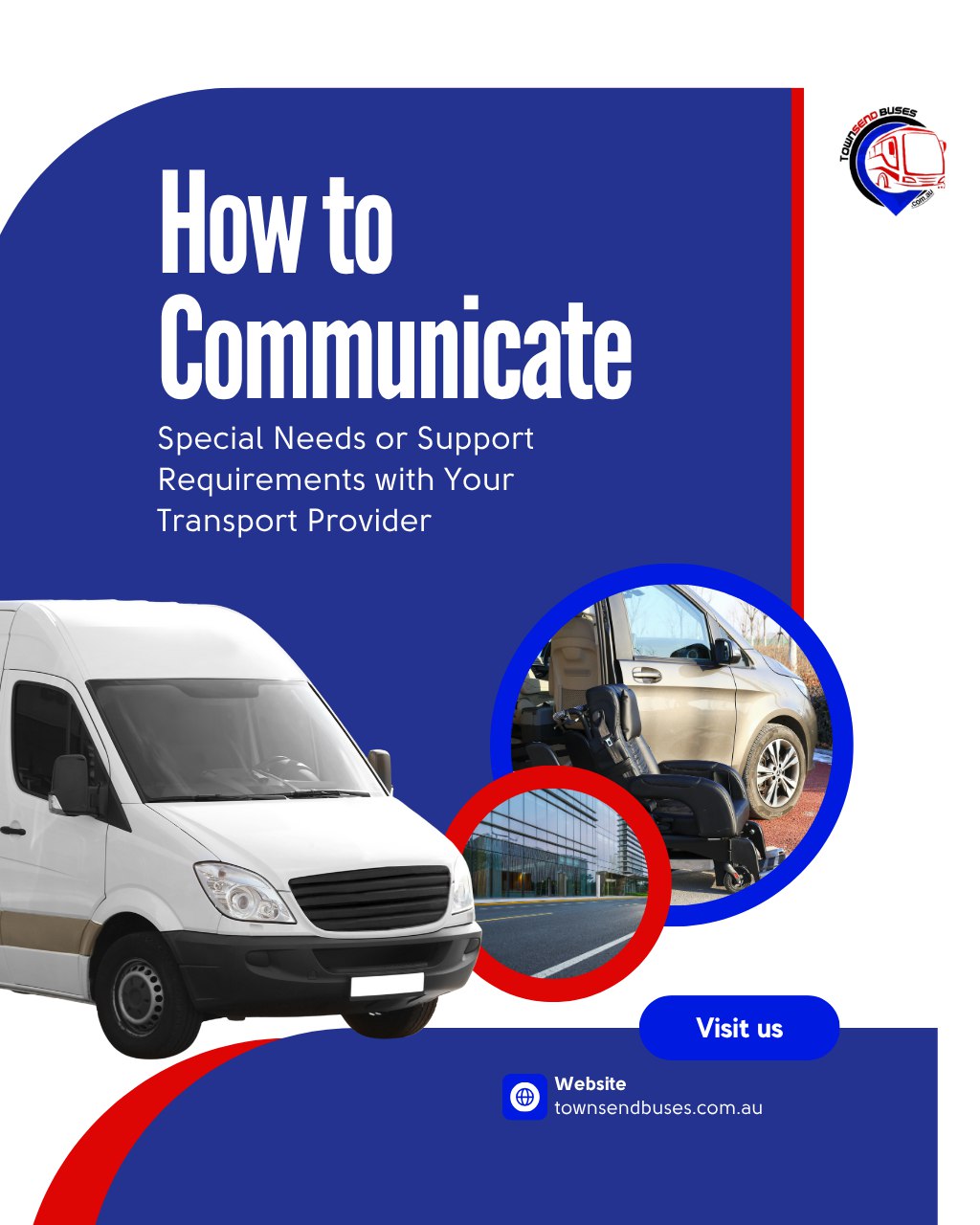
Unlocking Accessible Journeys: Easy Tips for Communicating Student Transport Requirements! 🚍✨
Navigating student transport can sometimes feel like a maze, especially when it comes to ensuring the needs of students with special requirements are met. But don’t worry—you’re not alone in this journey! 🚍✨ By mastering the art of communicating support needs with your transport provider, you can unlock accessible transport solutions that make journeys smooth and stress-free. Whether you’re a parent, teacher, or transport provider, understanding how to effectively convey student transport requirements is key to creating a seamless experience for everyone involved. Join us as we delve into easy tips and strategies to help bridge the gap between needs and solutions, making every ride a positive adventure! For more information on specialized transportation for students with disabilities, check out this helpful resource.
Understanding Student Transport Requirements
Before we dive into communication strategies, let’s explore the essentials of student transport requirements, particularly for those with special needs. This understanding forms the foundation for effective collaboration with transport providers.
Identifying Special Needs Transport
Special needs transport encompasses a range of accommodations tailored to students with diverse requirements. These can include physical disabilities, sensory sensitivities, or behavioral considerations.
Identifying these needs early is crucial. Parents and educators should work together to assess each student’s unique situation. This might involve medical evaluations, behavioral observations, or input from specialists.
Key areas to consider include mobility assistance, sensory accommodations, and safety measures. For instance, a student might need wheelchair accessibility, noise-canceling headphones, or a dedicated aide during transport.
Remember, specialized transportation is not one-size-fits-all. Each plan should be as unique as the student it serves.
Key Accessible Transport Solutions
Accessible transport solutions come in various forms, each designed to address specific needs and ensure safe, comfortable journeys for all students.
Vehicle modifications are a common solution. These can range from wheelchair lifts and secure tie-downs to specialized seating arrangements. Some vehicles may also feature climate control or noise reduction technologies.
Personnel support is another crucial element. This might include trained drivers, dedicated aides, or monitors who understand each student’s needs and can provide appropriate assistance.
Route optimization is also key. Shorter, more direct routes can reduce travel time and minimize potential stressors for students with special needs.
For a comprehensive overview of these solutions, check out this resource on special transportation for students with disabilities.
Effective Communication Strategies
Clear, consistent communication is the bridge between understanding needs and implementing solutions. Let’s explore how to effectively convey student transport requirements to ensure everyone’s on the same page.
Communicating Support Needs Clearly
When it comes to communicating support needs, clarity and detail are your best friends. Start by creating a comprehensive profile of the student’s requirements.
Include specific information about physical needs, such as mobility assistance or medical equipment. Don’t forget to mention sensory considerations – like sensitivity to noise or light – and any behavioral support strategies that work well.
Use clear, jargon-free language when describing needs. For example, instead of saying “requires adaptive seating,” specify “needs a harness-style seat belt for proper support.”
Consider creating a one-page summary of key needs and strategies. This can be a quick reference for drivers and aides, ensuring consistent support across different journeys.
Remember to update this information regularly. As needs change or new strategies are discovered, make sure to communicate these updates promptly to your transport provider.
Building Strong Transport Provider Communication
Establishing a strong relationship with your transport provider is key to ensuring smooth, safe journeys for students with special needs.
Start by scheduling a face-to-face meeting with key personnel. This might include the transport coordinator, drivers, and aides who will be working directly with the student.
During this meeting, go through the student’s needs in detail. Encourage questions and provide clear explanations. This is also a great opportunity to share any tips or strategies that work well for the student.
Set up a system for ongoing communication. This could be regular check-ins, a communication notebook that travels with the student, or a digital platform for real-time updates.
Be sure to provide emergency contact information and clear protocols for handling unexpected situations. For more on this, check out these best practices for ensuring bus safety for students with special needs.
Collaborating for Successful Journeys
Creating a positive transport experience for students with special needs is a team effort. Let’s explore how collaboration between all stakeholders can lead to consistently successful journeys.
Engaging with Educators and Providers
Effective collaboration between educators and transport providers is crucial for ensuring a seamless transition from classroom to transport.
Regular meetings between teachers, transport staff, and parents can help align strategies and share important updates. These meetings can be an opportunity to discuss any challenges or successes in the student’s transport experience.
Consider creating a shared communication plan. This could include a system for notifying transport providers about changes in a student’s schedule or needs, and vice versa.
Encourage transport staff to participate in relevant training sessions or workshops offered by the school. This can help them better understand the needs of the students they’re transporting.
Remember, the goal is to create a unified support system that extends from the classroom to the transport vehicle. For more on this integrated approach, check out the NYC Department of Education’s transportation overview.
Creating Consistent Student Transport Experiences
Consistency is key when it comes to creating positive transport experiences for students with special needs. Here’s how to ensure that every journey is as smooth and stress-free as possible.
Develop a detailed transport plan for each student. This should include pick-up and drop-off procedures, seating arrangements, and any specific support strategies.
Train all relevant staff on this plan, ensuring that substitute drivers or aides are also well-informed. Consider creating a quick-reference guide that can be kept in the vehicle.
Establish a routine for the journey. This might include a specific greeting, a favorite song, or a calming activity. Predictability can help reduce anxiety for many students.
Regularly review and adjust the plan as needed. Be open to feedback from the student, parents, and transport staff, and be willing to make changes to improve the experience.
Remember, a consistent, positive transport experience can set the tone for a student’s entire school day. By working together and maintaining clear communication, we can ensure that every journey is a step towards success.