
Safe Journeys: Why Accessible Transport Solutions Matter for Students with Disabilities 🚍✨
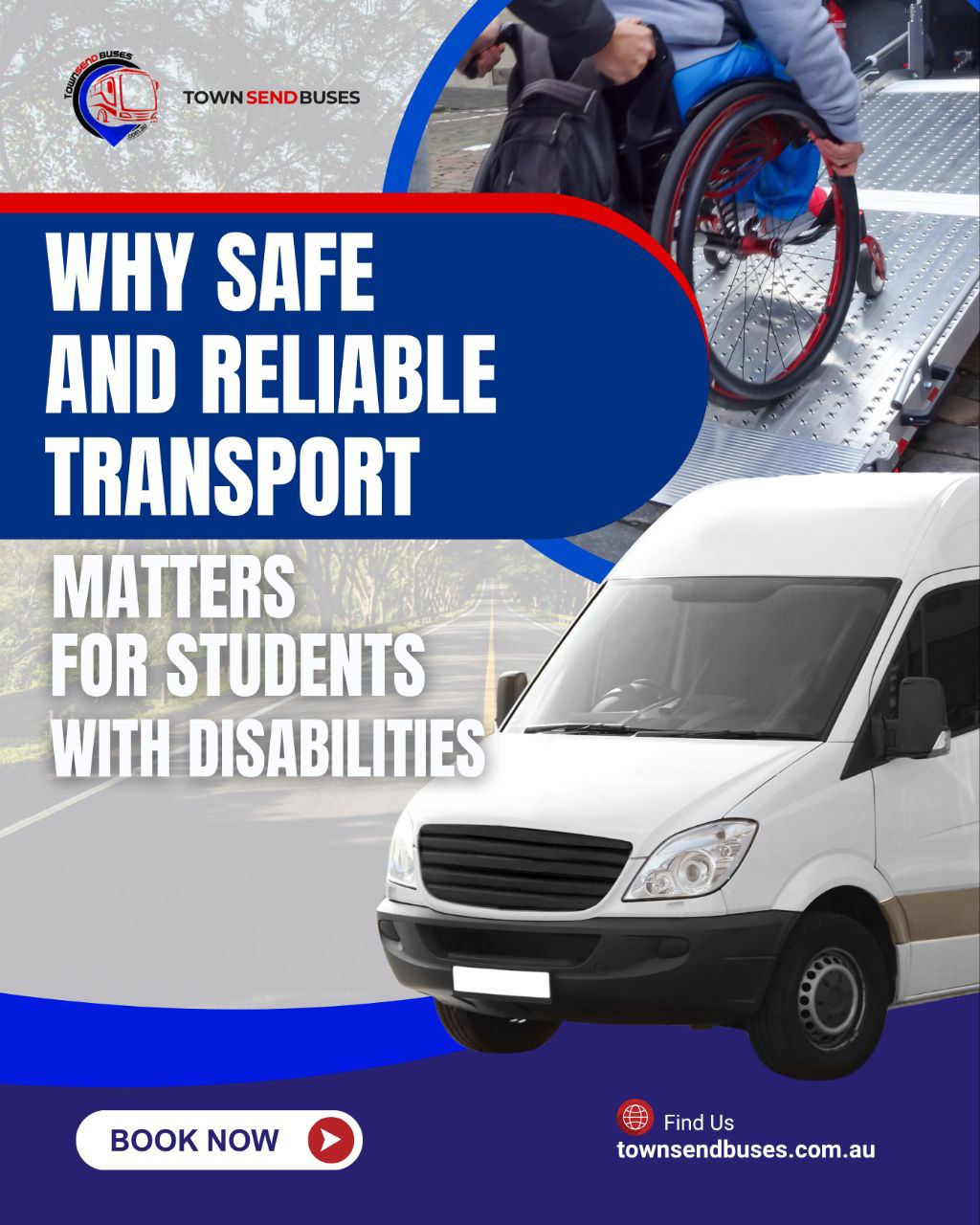
Hey there! 🚍✨ Let’s dive into a topic that’s super important for our community—accessible transport solutions for students with disabilities. We all want our young ones to feel safe and confident as they journey to school or college. Yet, without reliable transportation for disabled students, this can be quite a challenge. But fear not! With the right disability transport policies in place, we can transform these journeys into empowering experiences. So, let’s explore why the importance of safe transport can’t be overstated and how we can make every trip a success story! 🌟
Importance of Safe Transport
Safe transport is the cornerstone of an inclusive education system. Let’s explore why it’s crucial for students with disabilities and how it impacts their overall well-being and academic success.
Ensuring Student Safety
Safety is paramount when it comes to transport for students with disabilities. It’s not just about getting from point A to B; it’s about creating a secure environment that parents and students can trust.
Accessible transport solutions must prioritize safety features tailored to diverse needs. This includes properly secured wheelchair spaces, trained staff, and emergency protocols.
Regular safety audits and maintenance checks are essential to prevent accidents and ensure all equipment is functioning correctly. These measures build confidence among students and their families.
Promoting Independence and Confidence
Reliable transportation for disabled students is more than a convenience—it’s a pathway to independence. When students can travel safely, they develop crucial life skills and boost their self-esteem.
Accessible transport allows students to participate fully in school activities, fostering a sense of belonging and social inclusion. This independence translates into increased confidence in other areas of life.
By mastering the journey to school, students with disabilities take a significant step towards self-reliance, preparing them for future challenges and opportunities.
Accessible Transport Solutions
Accessible transport is evolving rapidly, with new technologies and policies reshaping how we approach mobility for students with disabilities. Let’s dive into the latest innovations and strategies making a difference.
Innovations in Transport
The landscape of accessible transport is being transformed by cutting-edge technologies and creative solutions. These innovations are making journeys smoother and more inclusive for students with disabilities.
Smart mobility apps are revolutionizing how students plan and navigate their trips. These apps provide real-time updates, accessible route planning, and communication with drivers.
Adaptive vehicles equipped with state-of-the-art features like low-floor entry, voice announcements, and flexible seating arrangements are becoming more common. These enhancements cater to a wide range of mobility needs.
AI-powered scheduling systems are optimizing routes and reducing wait times, making transportation more efficient and reliable for all students.
Implementing Effective Policies
Effective disability transport policies are the backbone of accessible education. They ensure that the right to education is supported by the right to mobility.
Key policy components include:
-
Mandatory accessibility training for drivers and staff
-
Regular consultation with disability advocacy groups
-
Clear communication channels between schools, families, and transport providers
-
Flexible transport options to accommodate diverse needs
Successful implementation requires collaboration between educational institutions, local authorities, and transport providers. This partnership approach ensures that policies are practical, comprehensive, and responsive to student needs.
Reliable Transportation for Disabled Students
Reliability in transportation is crucial for students with disabilities. It’s about creating a system that students and families can depend on day in and day out. Let’s explore how to achieve this consistency and build trust.
Overcoming Common Challenges
Reliable transportation for disabled students often faces hurdles, but with the right approach, these can be overcome. Let’s tackle some common challenges head-on.
Inconsistent schedules can be addressed through advanced routing software and real-time tracking systems. This technology helps maintain punctuality and allows for quick adjustments when needed.
Accessibility gaps in certain areas can be bridged by implementing a mix of transport options, including specialized vehicles and partnerships with accessible taxi services.
Communication breakdowns between schools, families, and transport providers can be resolved through integrated communication platforms, ensuring everyone stays informed and aligned.
Building Trust with Families
Trust is the foundation of any successful transport system for students with disabilities. It’s built through consistent performance, open communication, and a genuine commitment to student well-being.
Regular feedback sessions with families help address concerns promptly and demonstrate a willingness to improve. This ongoing dialogue creates a sense of partnership and shared responsibility.
Transparency about policies, safety measures, and driver qualifications reassures parents and guardians. When families understand the systems in place, they’re more likely to feel confident in the service.
Celebrating success stories and sharing positive experiences can reinforce trust and highlight the impact of reliable transportation on students’ lives.
