Accessible transport empowers students with disabilities by removing barriers and enabling full participation in education through mobility solutions and assistive technology.
Read More

Accessible transport empowers students with disabilities by removing barriers and enabling full participation in education through mobility solutions and assistive technology.
Student stories highlight educational journeys of triumph, challenges, and resilience. Rider experiences offer insights into school commutes and their impact on families and learning.
Master communication with transport providers to ensure special needs students’ requirements are met for accessible journeys. Tips include clear communication, strong relationships, and collaboration.
The first school bus ride is a big milestone in your child’s life! 🎒 As parents, we want to make sure our little ones are ready and excited for this new adventure. With Townsend Buses, you can rest easy knowing their safety and comfort are top priorities. Let’s dive into some handy tips for parents to help your child feel confident and eager for their first bus journey. From understanding school bus safety to making the ride fun, we’ve got you covered with all the child first ride tips you need!
Starting your child’s journey with Townsend Buses is an exciting step towards independence. Let’s explore how to prepare for this milestone and why Townsend Buses is the right choice for your family.
Preparing for your child’s first bus ride is crucial for a smooth transition. Start by discussing the upcoming experience with your child, addressing any concerns they might have.
Practice the morning routine a few days before, including waking up early and walking to the bus stop. This helps establish a comfortable rhythm for your child.
Familiarize your child with bus safety rules and etiquette. Explain the importance of staying seated, keeping the aisle clear, and listening to the bus driver’s instructions.
Consider arranging a “bus buddy” – perhaps an older sibling or neighbor who can accompany your child during the first few rides. This can provide an extra layer of comfort and security.
Townsend Buses stands out for its commitment to safety, reliability, and child-friendly approach. Our experienced drivers undergo rigorous training to ensure the highest standards of safety and customer service.
We maintain a modern fleet of buses equipped with the latest safety features, including GPS tracking and seat belts. This allows parents to have peace of mind knowing their children are in good hands.
Townsend Buses also prioritizes punctuality and efficient routes, minimizing travel time for students. Our customer support team is always ready to address any concerns or questions you may have.
We believe in creating a positive bus riding experience, fostering a sense of community among young passengers. This approach helps children look forward to their daily bus rides.
Safety is paramount when it comes to school transportation. Let’s delve into some crucial tips for parents and how we ensure a safe journey for every child.
School bus safety begins at home. As a parent, you play a vital role in preparing your child for a safe bus experience.
Teach your child to arrive at the bus stop at least five minutes early. This reduces the risk of rushing and potentially unsafe behavior.
Instruct your child to stay at least three giant steps (6 feet) away from the curb. This “safety zone” helps prevent accidents as the bus approaches or departs.
Emphasize the importance of using the handrail when boarding or exiting the bus. This simple habit can prevent slips and falls, especially during wet or icy conditions.
Encourage your child to sit calmly in their seat throughout the journey. Explain that standing or moving around while the bus is in motion can be dangerous.
At Townsend Buses, we implement multiple layers of safety measures to protect our young passengers.
Our buses undergo regular maintenance checks to ensure they’re always in top condition. This includes inspections of brakes, tires, lights, and all safety equipment.
We equip our buses with advanced technology, including cameras and GPS tracking. This allows us to monitor each journey and respond quickly to any issues that may arise.
Our drivers receive ongoing training in defensive driving techniques, emergency procedures, and child behavior management. They’re prepared to handle various situations that may occur during a bus ride.
We also maintain clear communication channels with schools and parents, ensuring everyone is informed about any changes or issues related to bus routes or schedules.
The first bus ride is a significant milestone in your child’s life. Let’s explore how to make this experience positive and exciting for your little one.
Making your child’s first bus ride a success involves a mix of preparation and positivity. Here are some key tips to ensure a smooth experience:
Take a practice walk to the bus stop before the first day. This familiarizes your child with the route and helps them feel more confident.
Pack a small comfort item in their backpack, like a favorite toy or family photo. This can provide reassurance during the ride.
Arrange a special after-school treat or activity to celebrate their first bus ride. This gives them something to look forward to and reinforces the positive aspect of the experience.
Remember, your attitude can significantly influence your child’s perception. Stay upbeat and excited about this new adventure!
Building your child’s confidence for their first bus ride is crucial for a positive experience. Start by discussing the benefits of riding the bus, such as making new friends and gaining independence.
Create a fun countdown to the first bus ride. This could involve making a paper chain or marking off days on a calendar, building anticipation and excitement.
Role-play different bus scenarios at home. This can help your child feel more prepared and confident about what to expect during the actual ride.
Consider reading books about school bus experiences or watching child-friendly videos about bus safety. This can make the concept more familiar and less intimidating for your child.
Embarking on the journey of special needs transport can be daunting, but it’s a crucial step in ensuring your child’s independence and access to education. Let’s explore the key aspects of this important service.
Accessible transportation services are designed to meet the unique needs of children with disabilities. These services go beyond standard school buses, offering specialized equipment and trained staff.
The California Department of Education provides comprehensive guidelines for these services, ensuring that all children have equal access to education.
Accessible vehicles may include features like wheelchair lifts, secure tie-downs, and extra space for medical equipment. These adaptations make it possible for children with various physical needs to travel safely and comfortably.
Staff on these vehicles are typically trained in first aid, emergency procedures, and how to assist children with different types of disabilities. This specialized training is crucial for ensuring the safety and well-being of all passengers.
Selecting the appropriate transport option for your child involves careful consideration of their specific needs and your family’s circumstances.
Start by assessing your child’s physical, emotional, and medical requirements. Consider factors such as mobility aids, sensory sensitivities, or the need for constant supervision.
Consult with your child’s school and healthcare providers. They can offer valuable insights into the most suitable transportation options based on your child’s Individualized Education Program (IEP) or medical needs.
Research the available services in your area. The Charter SELPA offers useful guidelines that can help you understand what to look for in a transport service.
Don’t hesitate to ask for a trial run or to meet the drivers and attendants beforehand. This can help ease any anxieties and ensure a good fit for your child.
Special needs transportation offers numerous advantages for both children and their families, extending far beyond mere conveyance.
For children, these services can foster independence and social skills. Regular interactions with drivers and other passengers can help improve communication abilities and build confidence.
Parents often find that reliable special needs transport reduces stress and frees up time for work or other responsibilities. It ensures that children arrive at school safely and on time, without parents having to manage complex logistics daily.
These services also provide consistency and routine, which can be particularly beneficial for children with certain disabilities. The predictability of regular pick-up and drop-off times can help reduce anxiety and improve overall behavior.
Moreover, specialized transport can enhance safety. With trained staff and adapted vehicles, the risk of accidents or medical emergencies during transit is significantly reduced.
As a parent, you likely have many questions about special needs transport services. Here, we address some of the most common concerns to help you make informed decisions.
Parents often worry about various aspects of transport services, from safety to reliability. Let’s address these concerns head-on.
One common worry is whether the transport service will be able to handle their child’s specific needs. Rest assured, reputable services train their staff extensively in various disabilities and medical conditions.
Another frequent concern is punctuality. Parents worry about their children being late for school or appointments. Most services use advanced tracking systems to ensure timeliness and allow parents to monitor the vehicle’s location in real-time.
Communication is also a key concern. Parents want to know they can reach out if there are changes or emergencies. Good services provide multiple channels of communication and responsive customer support.
Lastly, many parents worry about the social aspect. Will their child feel comfortable? Will they be bullied? Services often group children thoughtfully and have policies in place to ensure a positive social environment.
Safety is paramount in special needs transport, and providers take extensive measures to ensure the well-being of their passengers.
Vehicles used for special needs transport are specially equipped with safety features. These may include wheelchair lifts, specialized restraints, and medical equipment storage. Regular maintenance checks are conducted to keep these features in top condition.
Drivers and attendants undergo rigorous training. This includes first aid, emergency procedures, and disability-specific care. Many services, like those outlined by the Washoe County School District, require ongoing training and certification for their staff.
GPS tracking and communication systems are standard in most modern special needs transport vehicles. This allows for real-time monitoring and quick response in case of any issues.
Strict protocols are in place for pick-up and drop-off, ensuring that children are always handed over to authorized individuals. Many services use identification systems to prevent any mix-ups.
Special needs transport services understand the demands on parents’ time and offer various scheduling options to accommodate busy lifestyles.
Most services provide regular, scheduled routes for school transportation. These can be set up at the beginning of the school year and adjusted as needed. Some even offer door-to-door service for added convenience.
For medical appointments or therapy sessions, many transport providers offer on-demand or pre-scheduled one-off trips. This flexibility can be a lifesaver for parents juggling multiple commitments.
Some services, as highlighted by Track School Bus, offer apps or online portals where parents can manage schedules, track vehicles, and communicate with drivers directly. This puts control right at your fingertips.
Remember, good communication is key. Most services are willing to work with you to find solutions that fit your family’s unique needs. Don’t hesitate to discuss your scheduling requirements with them.
To ensure a positive experience with special needs transport, it’s important to actively engage with the service and prepare your child. Here are some tips to help you maximize the benefits of these services.
Preparing for a smooth transport experience involves a mix of planning, communication, and routine-building.
Establish a consistent morning routine to ensure your child is ready on time.
Pack a “transport bag” with essentials like medication, comfort items, or communication tools.
Clearly label all of your child’s belongings to prevent loss or mix-ups.
Communicate regularly with the transport staff about your child’s needs or any changes in their condition. This helps them provide the best possible care.
Consider creating a social story or visual schedule to help your child understand and prepare for the transport routine. This can be particularly helpful for children with autism or anxiety.
If possible, do a practice run before the first day of school. This can help familiarize your child with the vehicle and staff, reducing anxiety on the big day.
Lastly, stay positive and enthusiastic about the transport experience. Your attitude can greatly influence your child’s perception and acceptance of this new routine.
Developing a strong relationship with your child’s transportation providers is crucial for a positive experience.
Start by introducing yourself and your child to the drivers and attendants. Share important information about your child’s needs, preferences, and any specific care requirements.
Keep lines of communication open. Many services offer multiple ways to stay in touch, from phone calls to apps. Use these to provide updates or ask questions as needed.
Show appreciation for the staff’s efforts. A simple thank you can go a long way in building a positive relationship. If there are issues, address them calmly and constructively.
Consider inviting the transport staff to your child’s IEP meetings if appropriate. This can help ensure everyone is on the same page regarding your child’s needs and goals.
Remember, these providers are part of your child’s support team. Treating them as valued partners can lead to better outcomes for your child.
Special needs transport can be a powerful tool for fostering independence in children with disabilities.
Start by involving your child in the preparation process. Let them pack their own transport bag or choose their outfit for the day. This gives them a sense of control and responsibility.
Teach your child to communicate their needs to the transport staff. This could be through words, signs, or a communication device. Practicing these skills can boost confidence and self-advocacy.
Gradually reduce your involvement in the transport routine. For example, you might start by walking your child to the vehicle, then progress to watching from the door, and eventually, letting them manage on their own when ready.
Celebrate your child’s achievements in managing their transport independently. This positive reinforcement can encourage further growth and confidence.
Remember, independence looks different for every child. Set realistic goals based on your child’s abilities and work towards them at a comfortable pace. The journey towards independence is just as important as the destination.
When it comes to family transportation, nothing is more important than knowing your kids are in safe hands! That’s where Townsend Buses comes in, offering top-notch children’s transport services designed with your family’s peace of mind in mind. As a reliable bus company, Townsend Buses is dedicated to providing safe bus travel, featuring advanced safety features for buses to keep your little ones secure. But it’s not just about safety—it’s about delivering an experience that is both enjoyable and stress-free for parents and kids alike! 🚍✨ In this post, we’ll dive into how Townsend Buses ensures a smooth ride every time, so you can sit back, relax, and enjoy the journey.
At Townsend Buses, safety is our top priority. We’ve implemented a comprehensive approach to ensure your family’s peace of mind during every journey. Let’s explore the key elements that make our bus travel exceptionally safe.
Our buses are equipped with state-of-the-art safety features, designed to protect passengers in all scenarios. From advanced braking systems to reinforced chassis structures, we’ve left no stone unturned in our pursuit of safety excellence.
Each bus is fitted with GPS tracking, allowing real-time monitoring of routes and speeds. This technology not only enhances safety but also improves efficiency, as discussed in this comprehensive study on transportation systems.
We’ve also installed cutting-edge air filtration systems, ensuring a clean and healthy environment inside the bus. This is particularly crucial in today’s world, where air quality can significantly impact health outcomes.
Our drivers are the backbone of our safety strategy. Each undergoes rigorous training and regular assessments to maintain the highest standards of professionalism and safety awareness.
The training program covers defensive driving techniques, emergency procedures, and customer service skills. This comprehensive approach ensures that our drivers are prepared for any situation they might encounter on the road.
We also prioritize driver well-being, understanding that a well-rested, satisfied driver is a safer driver. Our policies on work hours and breaks exceed industry standards, reflecting our commitment to safety at every level.
“A well-trained driver is the first line of defense in ensuring passenger safety,” says our Head of Driver Training. This philosophy guides our entire approach to driver selection and development.
Preventive maintenance is crucial in ensuring the reliability and safety of our fleet. We follow a strict schedule of inspections and maintenance checks, often exceeding regulatory requirements.
Our maintenance program includes:
Daily pre-trip inspections by drivers
Weekly thorough mechanical checks
Monthly comprehensive safety audits
Quarterly in-depth vehicle overhauls
This proactive approach helps us identify and address potential issues before they become safety concerns. It’s a strategy that has proven effective in reducing road incidents, as highlighted in this World Bank report on transportation safety.
We also keep detailed maintenance records for each vehicle, ensuring transparency and allowing for continuous improvement of our maintenance processes.
Reliability is a cornerstone of our service at Townsend Buses. We understand that families depend on us for their daily routines, and we take this responsibility seriously. Let’s delve into how we ensure consistent, dependable service for all our customers.
We recognize that every family has unique transportation needs. That’s why we offer a range of flexible scheduling options to accommodate various lifestyles and routines.
Our scheduling system allows for both regular bookings and on-demand services. Families can choose from:
Daily school runs
Weekly extracurricular activity transport
Monthly field trip services
Customized schedules for special events
This flexibility extends to our booking process as well. Families can easily schedule, modify, or cancel their bookings through our user-friendly online platform or mobile app.
We also offer real-time updates on bus locations and estimated arrival times, similar to the systems discussed in this innovative study on urban transportation.
Our commitment to excellence is reflected in the positive feedback we receive from our customers. A recent Townsend Buses review highlighted our punctuality, cleanliness, and friendly service.
Key points from recent customer reviews include:
98% on-time arrival rate
95% customer satisfaction score
Numerous commendations for our drivers’ professionalism
One parent shared, “Townsend Buses has been a game-changer for our family. The peace of mind knowing our children are in safe hands is priceless.”
We continuously seek feedback and use it to refine our services. This customer-centric approach has helped us maintain our position as a trusted transportation partner for families.
Our children’s transport services are designed with the unique needs of young passengers in mind. We understand that transporting children requires extra care and attention, and we’ve tailored our services accordingly.
Our children’s transport features include:
Age-appropriate seating and safety equipment
Trained attendants on board for longer journeys
Fun, educational activities for longer trips
Clear communication channels with parents
We’ve also implemented a buddy system for younger children, helping them feel more comfortable during their journeys. This approach has been praised by child development experts and is similar to strategies used in successful educational transport programs.
Our commitment to children’s safety and comfort has made us a preferred choice for schools and families alike, reinforcing our reputation as a reliable bus company for family transportation.
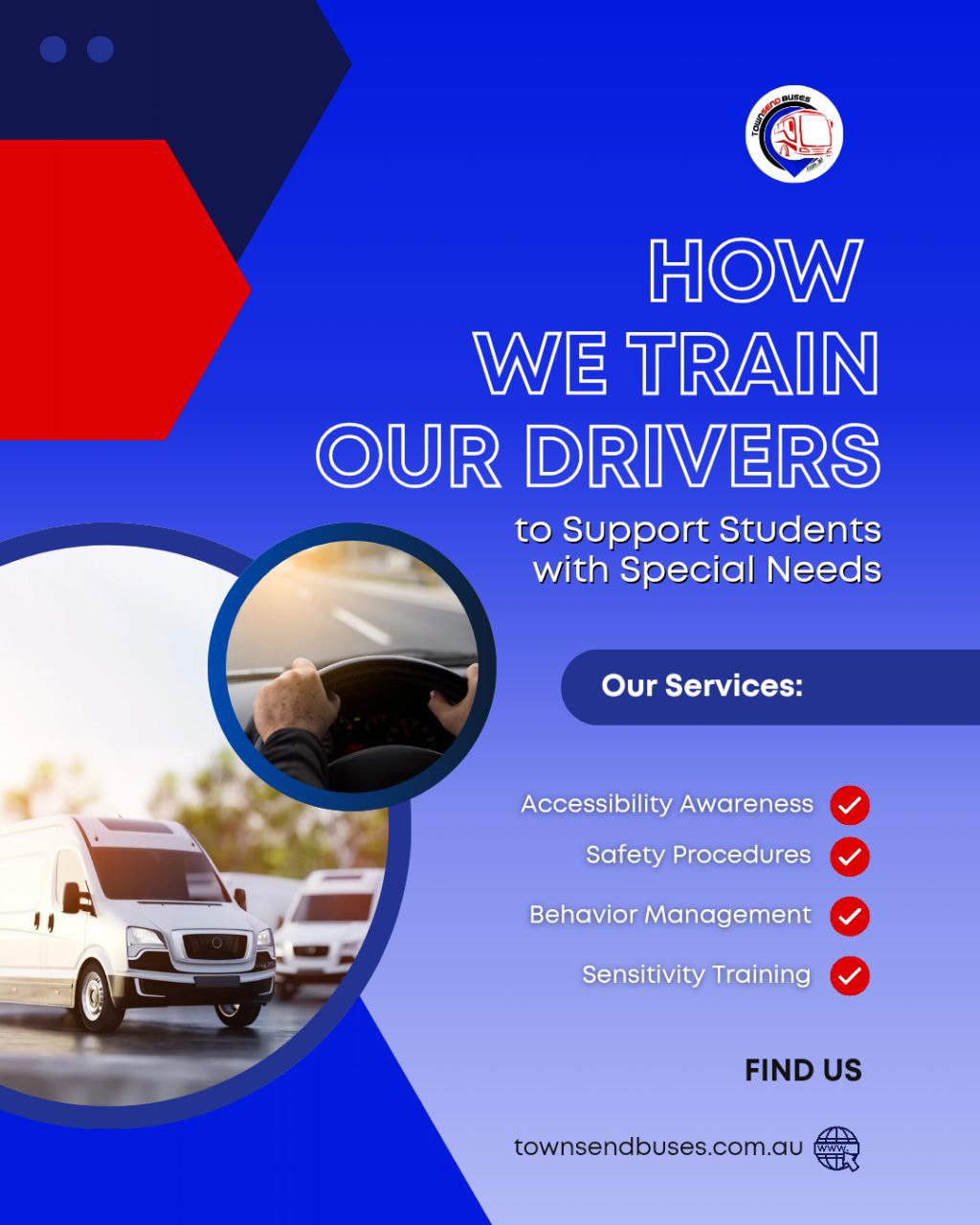
Transporting students with disabilities is not just about getting from point A to point B—it’s about creating an inclusive and supportive environment on the road! 🚐✨ At the heart of this mission is driver training, specifically designed to equip our drivers with the skills needed to support special needs students effectively. From understanding unique behavioral cues to mastering communication techniques, training drivers for special needs is as rewarding as it is crucial. We’ll delve into the ins and outs of these inclusive driving practices, showing how they make transportation for special needs students a smoother, safer journey. Ready to hit the road with us? Let’s explore how we can make every ride a positive experience for everyone!
Our driver training program is the cornerstone of providing exceptional transportation for special needs students. It’s designed to equip drivers with the knowledge and skills necessary to ensure safe, comfortable, and inclusive journeys.
Understanding student needs is crucial for drivers supporting special needs students. This involves recognizing various disabilities and their impact on transportation requirements.
Drivers learn to identify different types of disabilities, including physical, cognitive, and sensory impairments. They’re trained to understand how these conditions affect a student’s mobility, communication, and behavior during transport.
The training emphasizes the importance of individualized approaches. Drivers learn to adapt their methods based on each student’s unique needs, ensuring a personalized and supportive experience.
Real-world scenarios are used to illustrate common challenges and effective solutions. This practical approach helps drivers develop problem-solving skills and confidence in handling diverse situations.
Proper handling of specialized equipment is essential for safe and comfortable transportation of students with disabilities. Drivers receive comprehensive training on various adaptive devices and mobility aids.
Key areas of focus include:
Wheelchair securement techniques
Operation of wheelchair lifts and ramps
Proper use of safety harnesses and restraints
Drivers practice these skills in simulated environments, ensuring they can efficiently and safely manage equipment in real-world situations.
The training also covers equipment maintenance and pre-trip inspections. This ensures all adaptive devices are in optimal condition, minimizing the risk of malfunctions during transport.
Inclusive driving practices form the core of our approach to transporting special needs students. These practices ensure that every student feels valued, respected, and comfortable during their journey.
Building empathy and patience is a fundamental aspect of training drivers for special needs transportation. It’s about fostering a deep understanding of students’ experiences and challenges.
Drivers participate in sensitivity training exercises that simulate various disabilities. This hands-on approach helps them gain perspective and develop genuine empathy for their passengers.
The training emphasizes the importance of patience in all interactions. Drivers learn techniques for remaining calm and supportive, even in challenging situations.
Real-world case studies are used to illustrate the positive impact of empathetic and patient approaches. These examples inspire drivers and reinforce the importance of their role.
Continuous feedback and reflection are encouraged, allowing drivers to refine their empathy skills over time.
Effective communication is vital when working with special needs students. Drivers are trained in various techniques to ensure clear, respectful, and supportive communication.
Key communication strategies include:
Using simple, clear language
Employing visual aids when necessary
Practicing active listening
Recognizing and responding to non-verbal cues
Drivers learn to adapt their communication style based on individual student needs. This might involve using sign language, picture boards, or other alternative communication methods.
The training also covers de-escalation techniques for managing challenging behaviors. Drivers learn how to communicate calmly and effectively in high-stress situations.
Creating a supportive environment goes beyond just the physical aspects of the vehicle. It’s about fostering a positive, inclusive atmosphere that promotes student well-being and safety.
Collaboration between drivers and educators is crucial for providing comprehensive support to special needs students. This partnership ensures continuity of care from classroom to transportation.
Drivers are trained to:
Understand and follow Individualized Education Programs (IEPs)
Communicate effectively with teachers and support staff
Participate in student support team meetings when appropriate
Regular information sharing between drivers and educators helps identify and address potential issues proactively. This collaborative approach enhances the overall transportation experience for students.
Drivers also learn how to provide valuable feedback to educators about students’ behavior and well-being during transport. This information can be crucial for overall student support planning.
Continuous learning and development is essential in the ever-evolving field of special needs transportation. Our training program emphasizes ongoing education and skill enhancement.
Drivers participate in regular refresher courses to stay updated on best practices and new technologies. These sessions cover topics such as:
Updates in disability laws and regulations
New adaptive equipment and technologies
Advanced behavior management techniques
We encourage drivers to pursue additional certifications and specializations. This not only enhances their skills but also demonstrates our commitment to professional growth.
Peer learning is facilitated through driver support groups and mentorship programs. These initiatives allow experienced drivers to share their knowledge with newer team members.
Regular safety training is also a key component of our continuous learning approach, ensuring that all drivers maintain the highest standards of safety in special needs transportation.
Navigating the world of disability transport services can feel like embarking on a new adventure for parents of children with disabilities! 🚗✨ With so many options out there, choosing transport for disabled children might seem daunting, but fear not—we’ve got you covered! From accessible transport options to tailoring services to your child’s unique needs, this parent guide to disability transport aims to empower and inform. We’ll explore the key considerations that will help you make the best choice, ensuring that every journey is not only safe but also enjoyable. Let’s dive in and uncover the secrets to stress-free and delightful travel experiences for your family! 🌟 For more information on transportation and children with disabilities, check out this helpful resource.
Let’s dive into the world of disability transport services and explore why they’re so crucial for families like yours. We’ll unpack the key features that make these services stand out and how they can transform your child’s travel experience.
Accessible transport options are the backbone of inclusive communities. They provide independence and equal opportunities for children with disabilities, allowing them to participate fully in education, social activities, and healthcare.
For many families, these services are a lifeline, bridging the gap between home and the world beyond. They ensure that children with disabilities can access the same opportunities as their peers, fostering a sense of belonging and self-reliance.
Disability Rights Texas emphasizes the critical role of accessible transportation in special education rights, highlighting how it supports a child’s right to education and community integration.
Disability transport services are designed with special needs in mind, offering a range of features to ensure safety, comfort, and accessibility. These services go beyond standard transportation to provide a tailored experience for each child.
Key features often include:
Wheelchair-accessible vehicles
Trained staff familiar with various disabilities
Flexible scheduling to accommodate medical appointments
Door-to-door service for added convenience
Some services also offer specialized equipment like safety harnesses, adjustable seating, and communication aids. These features work together to create a supportive and stress-free travel environment for both children and their caregivers.
SpedTex provides resources on how these services integrate with special education programs, ensuring a seamless experience for families.
Selecting the perfect transport solution for your child is a crucial decision. Let’s explore the key factors to consider, focusing on safety and finding the best fit for your child’s unique needs.
Safety is paramount when choosing transport for children with disabilities. It’s essential to evaluate several key aspects to ensure your child’s well-being during every journey.
First, consider the vehicle’s safety features. Look for properly maintained and regularly inspected vehicles equipped with appropriate restraints and supports for your child’s specific needs.
Next, assess the staff’s qualifications. Drivers and assistants should be trained in first aid, disability awareness, and safe handling of mobility equipment. They should also have clear background checks and a strong safety record.
ATS NEMT offers a comprehensive guide on safety considerations, emphasizing the importance of proper training and equipment.
Finding the right transport service is about matching your child’s unique needs with the available options. It’s a process that requires careful consideration and often some trial and error.
Start by clearly defining your child’s specific requirements. Consider factors such as mobility needs, sensory sensitivities, and any medical equipment that needs to be accommodated.
Research different service providers in your area. Look for those with experience in handling your child’s particular disability. Don’t hesitate to ask for references or speak with other parents who have used the service.
Consider the flexibility of the service. Can they accommodate last-minute changes or provide consistent drivers to help your child feel more comfortable?
Remember, the best fit often comes from a combination of practical considerations and your child’s comfort level. Trust your instincts and be prepared to advocate for your child’s needs.
Even with the best planning, challenges can arise when using transport services for children with disabilities. Let’s explore common barriers and practical tips to ensure smooth travels for your family.
Navigating transport for children with disabilities often comes with unique challenges. Understanding these barriers is the first step in overcoming them and ensuring a positive experience for your child.
One common barrier is the lack of suitable vehicles in certain areas. This can limit options and make scheduling difficult. Advocating for better services in your community can help address this issue long-term.
Communication barriers can also pose challenges, especially for non-verbal children or those with cognitive disabilities. Working closely with transport providers to establish clear communication methods is crucial.
School Transportation News offers insights on overcoming transport challenges, emphasizing the importance of collaboration between families and service providers.
Creating a smooth transport experience for your child involves preparation, communication, and flexibility. Here are some practical tips to help make every journey a positive one:
Establish a routine: Consistency can help reduce anxiety and make the transport experience more predictable for your child.
Communicate clearly: Share important information about your child’s needs with the transport provider. This includes any medical requirements, behavioral considerations, or comfort items that help your child during travel.
Prepare a travel kit: Pack essentials like medications, snacks, and comfort items to ensure your child has everything they need during the journey.
Practice patience: Some days may be more challenging than others. Remain patient and work with your transport provider to address any issues that arise.
Celebrate successes: Acknowledge and celebrate positive transport experiences to build your child’s confidence and enthusiasm for future journeys.
Remember, every child is unique, and what works for one may not work for another. Be prepared to adapt these tips to best suit your child’s individual needs and preferences.
All aboard for an exciting journey into the world of disability-friendly buses! 🚍✨ At the heart of accessible transportation, these buses are designed with innovative features that make getting around easier and more enjoyable for everyone. From spacious ramps to user-friendly seating, each element is crafted to prioritize comfort and independence. Wl. Ready to explore the amazing features of disability buses that make mobility a breeze? Let’s dive in and discover what makes these wheelchair accessible buses a game-changer for transportation for the disabled!
Inclusive transport solutions are revolutionizing the way we think about accessibility in public transportation. Let’s explore how these innovations are making a difference in people’s lives.
Accessible transportation is no longer a luxury—it’s a necessity. As our society becomes more inclusive, transit systems are adapting to meet the needs of all passengers.
Universal design principles are at the forefront of this transformation. By creating spaces that work for everyone, we’re breaking down barriers and fostering independence.
Accessibility features aren’t just beneficial for those with disabilities. They improve the travel experience for all passengers, including the elderly, parents with strollers, and travelers with luggage.
Transit authorities are increasingly recognizing the importance of inclusive design. This shift is not just about compliance—it’s about creating a more equitable society.
The revolution in transportation for the disabled is changing lives. Gone are the days when limited mobility meant limited opportunities.
Modern disability-friendly buses are equipped with state-of-the-art features that prioritize independence and dignity. From low-floor designs to voice announcements, every detail is considered.
These advancements don’t just improve travel—they open up a world of possibilities. Employment, education, and social engagement become more accessible, enhancing quality of life.
Innovations in transportation for the disabled are setting new standards for inclusivity. As technology advances, we can expect even more groundbreaking solutions in the future.
Disability-friendly buses are packed with features designed to make travel easier and more comfortable for all passengers. Let’s take a closer look at what makes these vehicles so special.
Wheelchair accessible buses are the cornerstone of inclusive public transportation. These vehicles are designed with careful consideration for passengers using mobility devices.
Ramps and lifts are essential components, allowing easy boarding and disembarking. These mechanisms are built to be sturdy, reliable, and easy to operate.
Spacious interiors accommodate wheelchairs comfortably. Designated areas ensure that passengers can travel safely and securely throughout their journey.
Flexible seating arrangements allow for various mobility devices, from manual wheelchairs to powered scooters. This versatility ensures that no passenger is left behind.
Driver training is crucial to operate these features effectively, ensuring a smooth and dignified experience for all passengers.
Safety is paramount in disability-friendly buses, with cutting-edge measures implemented to protect all passengers.
Secure wheelchair tie-downs prevent movement during transit. These systems are designed to be easy to use while providing maximum stability.
Emergency evacuation procedures are tailored to ensure the safety of passengers with disabilities. Clear instructions and trained staff make all the difference in critical situations.
Advanced braking systems and stability control help maintain a smooth ride, reducing the risk of falls or discomfort for passengers with limited mobility.
Visual and auditory alert systems keep all passengers informed about stops, emergencies, and other important information, catering to various sensory needs.
Disability-friendly buses go beyond basic accessibility to create a truly enjoyable travel experience for all passengers. Let’s explore the comfort and technological features that set these buses apart.
Comfort is key in disability-friendly buses, with features designed to make every journey pleasant and stress-free.
Ergonomic seating provides support and comfort for all passengers, including those with mobility challenges. Adjustable features cater to individual needs.
Climate control systems ensure a comfortable temperature throughout the bus, with consideration for passengers who may have difficulty regulating body temperature.
Ample storage space accommodates mobility aids, luggage, and personal items, keeping the aisles clear and safe for movement.
Low-noise engines and sound-dampening materials create a quieter environment, reducing stress and fatigue during travel.
Modern disability-friendly buses leverage technology to enhance accessibility and user experience.
Real-time information displays keep passengers informed about routes, stops, and estimated arrival times. These systems often include both visual and audio components.
Contactless payment systems make ticketing easier for everyone, eliminating the need for physical cash handling.
GPS-enabled stop announcements help visually impaired passengers navigate their journey with confidence.
Interactive touchscreen kiosks at stops and on buses provide additional information and assistance, with accessibility features built-in.
USB charging ports and Wi-Fi connectivity keep passengers connected and entertained throughout their journey, adding an extra layer of convenience.
Ever wondered what makes Townsend Buses the go-to choice for students? 🤔 Hop on board as we take a delightful journey through the bus daily life that thousands of people experience every day! From the cheerful morning greetings to the hustle and bustle of evening rides, the commuting experience with Townsend Buses is nothing short of a public transport adventure. 🚍 With seamless routes, friendly drivers, and a peek into the transportation industry’s behind-the-scenes magic, this is more than just a ride—it’s a community on wheels! Whether you’re a seasoned commuter or a curious newcomer, get ready to discover the unexpected joys of bus service insights that might just transform your daily travel! 🌟
As the sun rises, so does the bustling world of Townsend Buses. Let’s dive into the morning rituals that set the tone for a day of smooth commuting and community connections.
The day begins with a symphony of alarms and the promise of a new adventure. Townsend Bus commuters have mastered the art of the morning hustle, turning what could be a mundane routine into a well-oiled machine.
For many, the morning commute is more than just a journey—it’s a transition from home life to work life. Townsend Buses understands this delicate balance, providing a reliable service that respects the importance of timeliness.
Regular riders often develop a sixth sense for their bus’s arrival, seamlessly integrating the schedule into their internal clocks. This harmony between commuter and bus service creates a stress-free start to the day.
Stepping onto a Townsend Bus is like entering a mobile community center. The atmosphere is welcoming, with drivers greeting passengers with a warmth that feels more like reuniting with old friends than a typical public transport interaction.
The buses themselves are a testament to Townsend’s commitment to comfort and cleanliness. Fresh interiors, comfortable seating, and large windows create an inviting space for the journey ahead.
For new riders, the ease of use is immediately apparent. Clear signage, user-friendly ticketing systems, and helpful staff ensure that even first-time passengers feel at home from the moment they board.
As the bus rolls through the morning traffic, a unique social ecosystem comes to life. Regular commuters form impromptu coffee clubs, sharing thermoses of their favorite brews and catching up on the latest news.
These morning interactions often blossom into friendships that extend beyond the bus ride. Many passengers report that their daily commute has become a cherished part of their social life, providing a sense of community in an increasingly disconnected world.
For those who prefer a quieter start to their day, Townsend Buses offers designated quiet zones, allowing for peaceful reflection or last-minute preparation for the workday ahead.
As the day progresses, Townsend Buses transforms from a commuter service to a vital artery of city life. Let’s explore how these buses become more than just a means of transport during the bustling midday hours.
Townsend Buses isn’t just for commuters—it’s a gateway to urban exploration. The extensive route network makes it easy for locals and tourists alike to discover hidden gems across the city.
Many riders use their lunch breaks to hop on a bus and visit a new neighborhood, turning an ordinary workday into a mini-adventure. The reliability of the bus schedule means these quick trips are both exciting and stress-free.
For tourists, Townsend Buses offers an authentic way to experience the city. Unlike tour buses, these routes provide a genuine glimpse into local life, all while being an affordable and eco-friendly option.
Every bus ride has the potential for a memorable encounter. From impromptu music performances to heartwarming acts of kindness between strangers, Townsend Buses becomes a stage for the beautiful unpredictability of urban life.
Drivers often become local celebrities, known for their witty announcements or encyclopedic knowledge of the city. Many passengers have stories of drivers going above and beyond, from waiting for a running latecomer to offering tourist advice that rivals any guidebook.
These moments of human connection turn what could be a mundane journey into a highlight of the day, fostering a sense of community that extends far beyond the bus doors.
Townsend Buses has revolutionized the concept of the lunch break. Strategic bus stop placements near popular eateries and parks have created a new lunchtime culture in the city.
Many local businesses have embraced this trend, offering “bus-friendly” lunch specials that can be easily enjoyed on the go. Some enterprising food trucks have even started following popular bus routes, creating pop-up dining experiences at different stops throughout the week.
For those who prefer a more relaxed lunch, certain bus stops have been transformed into mini oases, complete with seating areas and green spaces. These spots have become popular for both quick bites and leisurely breaks, adding a new dimension to the public transport experience.
As the workday winds down, Townsend Buses shifts gears to accommodate the evening rush. This transition showcases the adaptability and community-centric approach that defines the Townsend experience.
The evening commute with Townsend Buses is designed to be a decompression chamber between work and home. Comfortable seating and a smooth ride provide the perfect environment for passengers to unwind after a long day.
Many commuters use this time for personal growth, turning their bus ride into a mobile classroom. From language learning apps to audiobooks, the gentle hum of the bus becomes a backdrop for self-improvement.
For others, the evening ride is a chance to socialize and build connections. Regular commuters often form informal clubs, from book discussions to knitting circles, making the most of their shared time on the bus.
As night falls, Townsend Buses takes on a new persona. The evening service transforms into a lifeline for the city’s nightlife, ensuring safe and reliable transport for everyone from late-shift workers to weekend revelers.
Special “Night Owl” routes cater to the after-hours crowd, with buses decorated with subtle mood lighting and playing soft background music. This attention to atmosphere turns a potentially dreary late-night commute into a pleasant experience.
Safety is paramount during these hours, with well-lit bus stops and trained drivers creating a secure environment for all passengers. This commitment to safety has made Townsend Buses a preferred option for those navigating the city after dark.
Townsend Buses stands as a shining example of how public transport can positively impact urban life. By focusing on the human element of transportation, they’ve created more than just a bus service—they’ve fostered a mobile community.
The company’s commitment to sustainability is evident in their growing fleet of electric buses and eco-friendly practices. This forward-thinking approach not only reduces the city’s carbon footprint but also sets a new standard for the transportation industry.
As cities around the world grapple with issues of congestion and pollution, Townsend Buses offers a blueprint for success. Their model proves that with the right mix of technology, community engagement, and customer-centric service, public transport can be a joy rather than a necessity.