
How Accessible Transport is Changing the Game for Students with Disabilities! 🚍✨
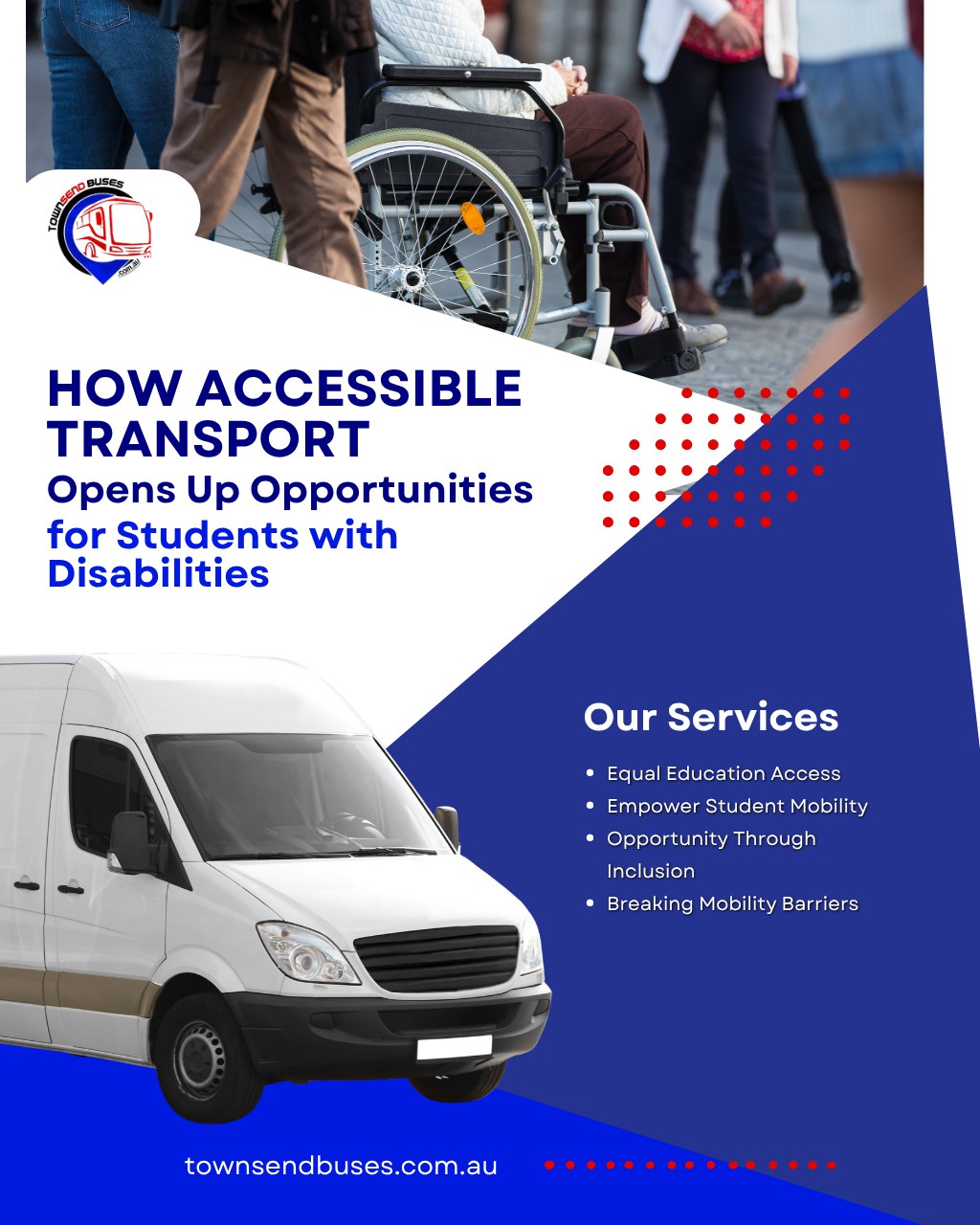
Accessible transport is making waves in the world of education, especially for students with disabilities! 🌟 With new mobility solutions, barriers to access are slowly being dismantled, opening up a world of transport opportunities that were once out of reach. From assistive technology to inclusive education practices, schools and communities are working together to ensure that every student can get to school safely and comfortably. This exciting shift is not just about getting from point A to point B—it’s about empowering students with disabilities to participate fully in their educational journeys. Get ready to explore how these changes are shaping a more inclusive future for everyone! Learn more about accessible and inclusive transportation for youth with disabilities.
Breaking Barriers with Accessible Transport
Accessible transport is changing the game for students with disabilities, breaking down barriers and opening up new possibilities. Let’s explore how mobility solutions are making a difference and helping overcome common obstacles.
Mobility Solutions for All
Mobility solutions are transforming the way students with disabilities access education. These solutions range from specialized vehicles to smart transit systems, all designed to make travel easier and more comfortable.
One key advancement is the introduction of low-floor buses with ramps. These vehicles allow wheelchair users to board independently, boosting confidence and reducing reliance on others.
Smart transit apps are another game-changer. They provide real-time updates on accessible routes and vehicle arrivals, making trip planning much simpler for students with various disabilities.
Inclusive Solutions highlights how these mobility solutions are crucial in promoting inclusive education, ensuring that all students have equal access to learning opportunities.
Overcoming Barriers to Access
Barriers to access can take many forms, from physical obstacles to societal attitudes. Accessible transport plays a crucial role in overcoming these challenges.
Physical barriers, like stairs or high curbs, are being addressed through the implementation of universal design principles in public spaces. This approach benefits not just students with disabilities, but everyone using these areas.
Attitudinal barriers are also being tackled through education and awareness programs. These initiatives help create a more understanding and supportive community for students with disabilities.
The CDC’s guide on disability inclusion provides valuable insights into identifying and addressing various barriers to access, emphasizing the importance of a holistic approach to accessibility.
Opportunities Unlocked by Inclusive Education
Inclusive education, supported by accessible transport, is opening doors for students with disabilities. This approach ensures that all students, regardless of their abilities, have equal opportunities to learn and grow.
Transport Opportunities for Students
Accessible transport is creating new opportunities for students with disabilities to participate fully in educational activities. These opportunities extend beyond just getting to and from school.
Field trips, once a challenge for many students with disabilities, are becoming more accessible. Specialized vehicles with lifts and secure spaces for wheelchairs allow all students to join in these valuable learning experiences.
After-school activities and sports events are also more attainable. With reliable accessible transport, students can engage in extracurricular activities that enhance their overall educational experience.
A study published in ScienceDirect explores the impact of accessible transport on educational opportunities for students with disabilities, highlighting its crucial role in fostering inclusive learning environments.
Assistive Technology Enhancements
Assistive technology is playing a big role in enhancing accessible transport for students with disabilities. These innovations are making travel more independent and comfortable.
GPS-enabled devices with voice guidance are helping visually impaired students navigate public transport systems with greater confidence. These tools provide real-time information about routes, stops, and transfers.
For students with mobility impairments, advanced wheelchair securement systems in vehicles ensure safe and comfortable journeys. Some systems even allow users to secure their wheelchairs independently.
Communication aids, such as text-to-speech apps, are helping non-verbal students interact more easily with transport staff and fellow passengers, making the entire travel experience smoother.
The Future of Transport for Students with Disabilities
The future of transport for students with disabilities looks promising, with ongoing innovations and a growing focus on inclusivity. Let’s explore how embracing mobility solutions and understanding the role of accessible transport will shape this future.
Embracing Mobility Solutions
Embracing mobility solutions is key to creating a more inclusive future for students with disabilities. These solutions go beyond traditional transport methods, incorporating cutting-edge technology and user-centered design.
Autonomous vehicles are on the horizon, promising to revolutionize transport for students with disabilities. These vehicles could provide door-to-door service without the need for a driver, increasing independence and flexibility.
Ride-sharing services are also evolving to be more inclusive. Some companies are developing specialized services that cater specifically to passengers with disabilities, ensuring safe and comfortable travel.
Research from PMC suggests that embracing these mobility solutions can significantly improve the quality of life for individuals with disabilities, including students.
The Role of Accessible Transport
Accessible transport plays a crucial role in shaping an inclusive society, particularly in the education sector. Its impact extends far beyond mere transportation.
By providing equal access to educational opportunities, accessible transport helps level the playing field for students with disabilities. It allows them to participate fully in school activities, fostering a sense of belonging and inclusion.
Moreover, accessible transport contributes to the development of important life skills. It helps students with disabilities build confidence, navigate public spaces, and interact with the community.
Looking ahead, the role of accessible transport will likely expand, becoming an integral part of smart city initiatives and universal design strategies, further enhancing the educational experience for all students.
