
Understanding NDIS and School Transport: A Friendly Guide for Parents and Educators! 🚍
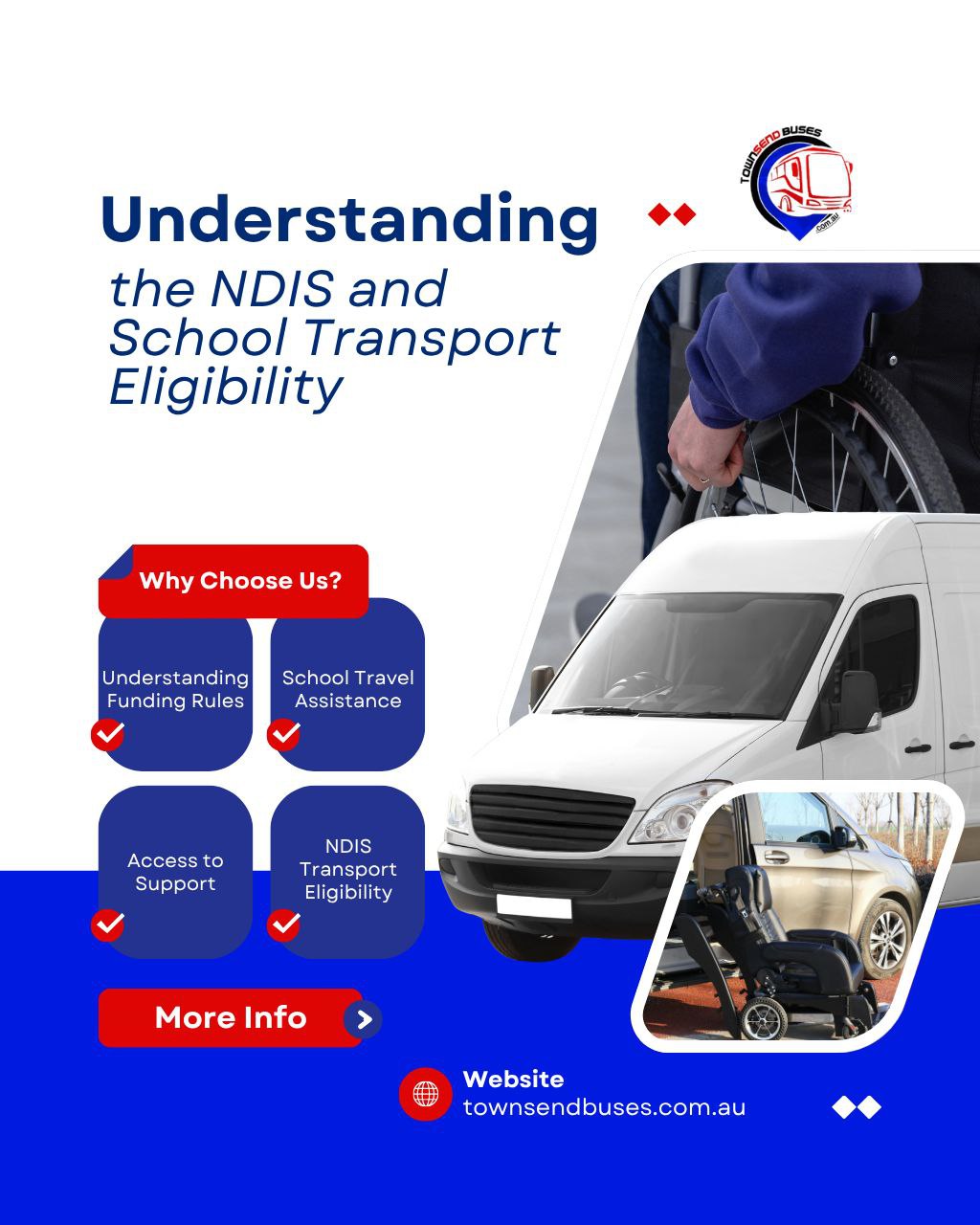
Navigating the world of NDIS and school transport can be a bit like solving a puzzle, but don’t worry, we’re here to help make it a breeze! School transport eligibility is a key piece of the puzzle for parents and educators working with kids who have disabilities. Understanding NDIS guidelines can open up a range of transport options for students, making school runs smoother and stress-free. Whether you’re a parent, guardian, or educator, knowing the ins and outs of disability support can empower you to make the best choices for your little ones! So, let’s roll up our sleeves and get started on this friendly guide to ease your journey. 🚍✨
Understanding NDIS and School Transport
Let’s start by breaking down the key components of NDIS and school transport eligibility. This section will help you grasp the basics and set the foundation for navigating the system.
What is NDIS?
The National Disability Insurance Scheme (NDIS) is Australia’s support system for people with disabilities. It’s designed to give individuals more choice and control over their care and support.
NDIS provides funding for a wide range of services and supports, including those related to education and transport. The goal is to help people with disabilities live more independently and participate fully in their communities.
For families with school-age children, NDIS can be a game-changer. It offers support that can make a big difference in a child’s educational journey.
School Transport Eligibility Basics
School transport eligibility is about determining who can access specialized transport services to and from school. It’s not a one-size-fits-all situation – each case is unique.
Eligibility often depends on factors like the student’s age, the distance from home to school, and the nature of their disability. Some students might qualify for door-to-door transport, while others might receive support to use public transport independently.
It’s important to note that eligibility criteria can vary between states and territories. Always check with your local education department for the most up-to-date information.
Navigating Disability Support
Understanding how to navigate the disability support system is crucial for accessing the right services. This section will help simplify the process and highlight available options.
NDIS Guidelines Made Easy
NDIS guidelines can seem complex, but they’re designed to ensure fair and effective support. Let’s break them down into simpler terms.
The key principle is that NDIS funds “reasonable and necessary” supports. For school transport, this means NDIS might help if a student can’t use regular school transport due to their disability.
NDIS doesn’t replace existing school transport services. Instead, it complements them, filling gaps where needed. This could include funding for specialized equipment or support workers.
Remember, NDIS is about tailored solutions. What works for one student might not work for another, so individual assessments are crucial.
Transport Options for Students
Students with disabilities have various transport options, depending on their needs and circumstances. Let’s explore some common choices:
-
Specialized school buses: Many schools offer adapted buses for students with mobility challenges.
-
Taxi services: In some cases, NDIS might fund taxi transport if other options aren’t suitable.
-
Public transport training: For some students, learning to use public transport independently is a valuable life skill that NDIS can support.
-
Family transport: Sometimes, families choose to transport their children themselves, with NDIS potentially providing support for vehicle modifications or transport allowances.
The best option will depend on the student’s individual needs, the family’s situation, and local availability. It’s always worth discussing all possibilities with your NDIS planner.
Tips for Parents and Educators
Navigating the NDIS and school transport system can be smoother with the right approach. Here are some practical tips to help parents and educators make the most of available support.
Encouraging Communication with Schools
Open and regular communication with schools is key to ensuring students get the support they need. Here’s how to make it happen:
Start by scheduling regular check-ins with teachers and support staff. These meetings are great opportunities to discuss your child’s progress and any transport-related challenges.
Don’t hesitate to ask questions. If something’s unclear about the school’s transport policies or your child’s eligibility, speak up. Schools are there to help and often appreciate proactive parents.
Consider creating a communication book that travels between home and school. This can be a simple way to share daily updates about transport arrangements or any issues that arise.
Remember, you’re part of a team. Working together with the school can lead to better outcomes for your child.
Support Networks and Resources
Building a strong support network can make a big difference in navigating the NDIS and school transport system. Here are some resources to explore:
-
Local disability support groups: These can be great for sharing experiences and advice with other families.
-
Online forums and social media groups: Many parents find valuable information and support in these virtual communities.
-
NDIS Local Area Coordinators: These professionals can provide guidance on accessing and using NDIS supports.
-
School transport information services: Many education departments have dedicated helplines or websites for transport queries.
Remember, you’re not alone in this journey. Reaching out for support and information can make the process much easier and more effective.
