All Posts By

andrewbuses71

Inclusive Education Transport

By Blogs

Creating Equal Opportunities: Townsend Buses’ Role in Inclusive Education Transport

Townsend Buses is leading the charge in creating a more inclusive educational landscape through innovative transportation solutions. Their commitment to transport equity is reshaping how students access education, ensuring that no child is left behind due to mobility challenges.

Driving Inclusive Education Forward

Townsend Buses recognizes that inclusive education starts with accessible transportation. By providing reliable and specialized bus services, they’re breaking down barriers that have long prevented some students from fully participating in educational opportunities.

Their fleet of adapted vehicles ensures that students with diverse needs can travel comfortably and safely to school. This approach not only facilitates attendance but also promotes a sense of independence and equality among all students.

Townsend’s drivers undergo specialized training to understand and address the unique requirements of students with different abilities. This comprehensive approach to inclusive transportation sets a new standard in the industry.

Equal Opportunities on the Road

Townsend Buses’ commitment to equal opportunities extends beyond just getting students to school. They’re creating an environment where every child feels valued and included from the moment they step onto the bus.

Their innovative seating arrangements and onboard assistive technologies ensure that students with various needs can interact and socialize during their commute. This fosters a sense of community and breaks down social barriers that often exist in traditional school settings.

By providing equal access to transportation, Townsend Buses is enabling students to participate in after-school activities, field trips, and other educational experiences that were previously out of reach for some. This holistic approach to education transport is leveling the playing field and opening up a world of opportunities for all students.

Innovative Educational Transport Solutions

Townsend Buses is at the forefront of developing cutting-edge solutions that address the diverse transportation needs of students. Their innovative approach combines technology, design, and compassionate service to create a truly inclusive transport system.

Accessible Transportation for All

Townsend Buses’ commitment to accessible transportation is revolutionizing how students with diverse needs get to school. Their fleet includes vehicles equipped with state-of-the-art accessibility features, ensuring that every student can travel safely and comfortably.

Low-floor buses with ramps and lifts make boarding easy for students using wheelchairs or those with mobility challenges. Inside, spacious layouts and secure wheelchair stations provide a safe and comfortable ride for all passengers.

Advanced communication systems on board allow drivers to stay connected with schools and parents, ensuring a smooth and worry-free journey. This level of accessibility and communication is setting new standards in educational transport.

Special Needs Transportation: A Priority

Recognizing the unique requirements of students with special needs, Townsend Buses has made special needs transportation a top priority. Their specialized services go beyond just physical accessibility, addressing sensory and cognitive needs as well.

Buses are equipped with noise-canceling headphones and calming visual aids for students with sensory sensitivities. Trained assistants are available on routes to provide additional support and ensure a positive travel experience for all students.

Townsend’s commitment to special needs transportation extends to personalized pick-up and drop-off services, accommodating individual schedules and requirements. This tailored approach ensures that every student receives the support they need to start and end their school day on a positive note.

Supporting Students with Disabilities

Townsend Buses goes above and beyond in their support for students with disabilities. Their comprehensive approach not only addresses transportation needs but also contributes to the overall educational experience and personal growth of these students.

Enhancing Mobility and Independence

Townsend Buses’ services play a crucial role in enhancing the mobility and independence of students with disabilities. Their accessible vehicles and supportive staff empower students to navigate their educational journey with confidence.

The company’s innovative approach includes teaching students how to use public transportation safely, preparing them for greater independence in the future. This life skill training is integrated into the daily bus rides, turning each journey into a learning opportunity.

By providing reliable and accessible transportation, Townsend Buses is helping students with disabilities participate fully in school activities, fostering a sense of belonging and boosting self-esteem.

Creating a Fair Playing Field

Townsend Buses is committed to creating a fair playing field for all students, regardless of their abilities. Their transportation solutions ensure that students with disabilities have equal access to educational opportunities.

The company works closely with schools to coordinate transportation for extracurricular activities and field trips, ensuring that no student misses out due to mobility challenges. This inclusive approach promotes social integration and broadens the educational experiences of all students.

Townsend Buses also advocates for policy changes that promote educational equity, using their expertise to inform decision-makers about the importance of accessible transportation in achieving equal educational opportunities.

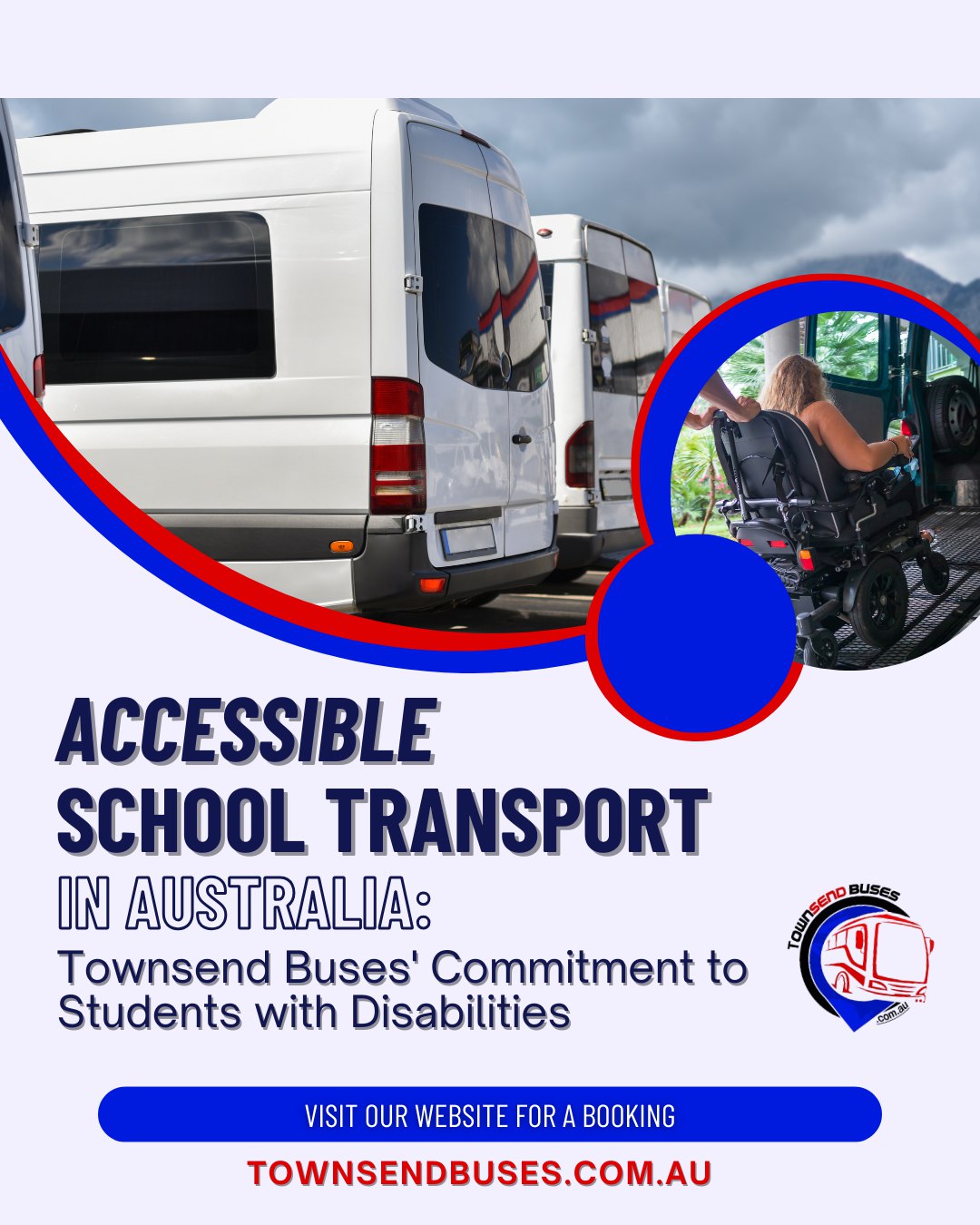
The Secret to Success: How Reliable School Transport Transforms the Lives of Students with Disabilities! 🚍✨

By Blogs

Reliable school transport is more than just a ride—it’s a lifeline for students with disabilities! 🚍✨ Imagine a world where every child, regardless of their mobility challenges, has the same chance to learn, grow, and thrive. That’s the power of accessible transport solutions, transforming inclusive education from a dream into reality. For educators, parents, and policymakers, understanding the impact of consistent school travel for disabled students is key to unlocking their potential. Let’s explore how reliable school transport not only ensures educational accessibility but also opens up new possibilities for these incredible young learners. 🌟

The Importance of Reliable School Transport

Reliable school transport is the backbone of inclusive education, providing a crucial link between home and school for students with disabilities. This section explores how dependable transportation enhances student mobility and addresses unique challenges faced by these learners.

Enhancing Student Mobility

Reliable school transport plays a pivotal role in enhancing student mobility, particularly for those with disabilities. It’s not just about getting from point A to point B; it’s about providing a consistent, safe, and comfortable journey that sets the tone for the entire school day.

For many students with disabilities, the school bus is their first interaction with the educational system each day. A positive transport experience can boost confidence and readiness to learn, while a negative one can have the opposite effect.

Enhanced mobility through reliable transport also opens up opportunities for extracurricular activities and social interactions, which are crucial for holistic development. It allows students with disabilities to participate fully in school life, fostering a sense of belonging and independence.

Overcoming Student Mobility Challenges

Students with disabilities often face unique mobility challenges that can impact their educational experience. These challenges range from physical barriers to sensory sensitivities, each requiring tailored solutions.

One common challenge is accessibility. Specialized vehicles equipped with ramps, lifts, and secure spaces for wheelchairs are essential for students with physical disabilities. For those with sensory sensitivities, a calm and predictable environment during transit is crucial.

Another significant challenge is the need for trained personnel. Drivers and assistants must be equipped to handle various situations, from medical emergencies to behavioral issues. This specialized training ensures that students receive appropriate support throughout their journey.

Transformative Benefits of Accessible Transport

Accessible transport solutions have the power to transform the educational landscape for students with disabilities. This section delves into how these solutions boost education accessibility and support inclusive education practices.

Boosting Education Accessibility

Accessible transport solutions are a game-changer in boosting education accessibility for students with disabilities. They break down physical barriers that might otherwise prevent these students from attending school regularly.

Reliable transport ensures that students arrive at school on time and ready to learn. This consistency is crucial for academic progress and helps students develop a positive routine. It also reduces stress for both students and their families, knowing that a dependable ride is available each day.

Moreover, accessible transport extends the reach of specialized educational programs. Students can access schools or programs that best meet their needs, even if they’re not in their immediate neighborhood. This expanded access to tailored education can significantly impact a student’s academic and personal growth.

Supporting Inclusive Education

Inclusive education is about creating learning environments where all students, regardless of their abilities, can thrive together. Reliable school transport is a critical component in making this vision a reality.

By ensuring that students with disabilities can consistently attend mainstream schools, accessible transport fosters diversity in the classroom. This diversity benefits all students, promoting understanding, empathy, and acceptance of differences.

For students with disabilities, being part of a diverse learning environment can boost self-esteem and social skills. It provides opportunities for interaction with peers and helps prepare them for life beyond school. Reliable transport makes this inclusive experience possible on a daily basis.

Implementing Effective Transport Solutions

Implementing effective transport solutions requires careful planning, collaboration, and ongoing evaluation. This section explores strategies for creating reliable school transport systems and fostering school travel for disabled students.

Creating Reliable School Transport Systems

Creating reliable school transport systems for students with disabilities involves a multi-faceted approach. It requires coordination between schools, transport providers, families, and local authorities to ensure a seamless service.

Key components of a reliable system include:

  1. Well-maintained, accessible vehicles

  2. Trained drivers and assistants

  3. Efficient route planning

  4. Clear communication channels

  5. Regular safety checks and emergency procedures

Implementing technology can greatly enhance reliability. GPS tracking, for instance, can provide real-time updates to parents and schools, while specialized software can optimize routes for efficiency and comfort.

Fostering School Travel for Disabled Students

Fostering positive school travel experiences for disabled students goes beyond just providing a ride. It’s about creating an environment that supports their needs and promotes independence.

One effective strategy is to involve students in the transport process. This could mean teaching them how to safely board and exit the vehicle, or helping them understand the route to school. Such involvement can boost confidence and life skills.

It’s also crucial to maintain open communication with families. Regular feedback sessions can help identify and address any issues promptly. Additionally, creating a sense of community among students who travel together can make the journey more enjoyable and socially beneficial.

photo 2025 05 22 13 37 49

photo 2025 05 22 13 37 49

Inclusive Bus Solutions

By Blogs

Inclusive Bus Solutions: A School Journey Checklist

Clear questions help families and schools assess a proposed accessible bus journey. Townsend Buses is a Queensland family business providing school and accessible transport; the individual route, vehicle and support arrangements need confirmation.

Understand the Whole Journey

Look at the collection point, time on the vehicle, school arrival and return handover. A workable plan addresses every stage rather than only the bus itself.

Ask About Relevant Procedures

Request the operator’s information on supervision, handover, changes and concerns. Establish which arrangements the family and school need to follow.

Explain the Student’s Requirements

Discuss mobility equipment, seating, communication and any accompanying person. Include practical preferences while distinguishing essential requirements from optional requests.

Include the Student’s View

Where possible, ask the student about the routine and how information should be communicated. Review the plan if their requirements change.

Check What Is Actually Available

Confirm the proposed vehicle and staff roles for the date and route. General claims of inclusive service do not establish a particular feature or qualification.

Questions About Staff Support

Ask what assistance is included and which current training is relevant to it. Clarify whether an attendant or separate support person is required and who will arrange that role.

Questions About the Vehicle

Confirm compatibility with mobility equipment, seating and access needs. Do not assume extra-wide aisles, adjustable seating, quiet interiors or visual aids are standard across a fleet.

Confirm the Service Area

Give the exact school and collection address. A Queensland business description does not mean that every location or school can be served.

Agree on the Family Routine

Confirm travel days, planned times and how an absence is reported. Keep the nominated contact details with the booking information.

Check Additional Travel Separately

Excursions, appointments and changed school hours may need separate arrangements. Confirm dates, companions, access and availability before relying on them.

Keep Communication Clear

Ask how changes and delays will be communicated. Live tracking, open days and dedicated support programmes should not be assumed unless the operator confirms them.

Before Travel Starts

Resolve outstanding questions about the vehicle, staffing, handover and price. For a Townsend Buses enquiry, call (07) 3094 1301 to discuss availability and suitability for your journey.

Inclusive Bus Features

By Blogs

Features That Make Our Buses Disability-Friendly for Australian Students 🚌✨

All aboard the magic of disability-friendly buses in Australia! 🚍✨ We recognise the importance of accessible transportation for our students with disabilities, and we’re excited to share how these specially designed buses are making a difference. From innovative bus features that promote inclusivity to ensuring top-notch student safety on buses, our solutions ensure a smooth ride for everyone. Whether you’re an educator, a parent, or a transportation coordinator, you’ll find inspiration and practical insights here. Let’s take a closer look at how inclusive design is making every journey comfortable and enjoyable for Australian students with disabilities! 🌟

Embracing Inclusive Design

Inclusive design is at the heart of disability-friendly buses in Australia. Let’s explore how these vehicles are revolutionising transportation for students with disabilities, focusing on features that promote inclusivity and ensure safety.

Features for Inclusivity

Disability-friendly buses in Australia are equipped with a range of features that make them accessible to all students. These innovations go beyond basic requirements, creating a truly inclusive environment.

One of the most important features is the low-floor design, which allows for easy boarding and disembarking. This is particularly beneficial for students using wheelchairs or those with mobility issues.

Accessible public transport also includes wide aisles and spacious seating areas. These allow students with mobility aids to move freely and comfortably within the bus.

Audio and visual announcement systems are another crucial feature. They help students with hearing or visual impairments stay informed about stops and important information during their journey.

Ensuring Student Safety on Buses

Safety is paramount when it comes to transporting students with disabilities. Australian disability-friendly buses incorporate several features to ensure a secure journey for all passengers.

Wheelchair restraint systems are a key safety feature. These secure wheelchairs in place during transit, preventing movement and potential injuries.

Emergency evacuation aids are also installed in these buses. They include easy-to-use ramps and clearly marked emergency exits, ensuring quick and safe evacuation if needed.

Driver training is another crucial aspect of safety. Drivers of disability-friendly buses receive specialized training to assist students with various disabilities, ensuring they can provide appropriate support when needed.

Key Bus Features for Accessibility

Accessible transportation in Australia goes beyond basic accommodations. Let’s delve into the specific features that make these buses truly accessible for students with disabilities.

Disability Access on Public Transport

Disability access on public transport in Australia has come a long way, with buses leading the charge in inclusivity. These vehicles are designed to accommodate a wide range of disabilities, ensuring no student is left behind.

Automated ramps are a game-changer for wheelchair users. With the push of a button, these ramps extend from the bus, providing a smooth and safe entry point.

Accessible travel in Australia also includes priority seating areas. These spaces are located near the front of the bus and are reserved for students with disabilities or mobility issues.

Tactile surfaces and contrasting colors are used throughout the bus to assist visually impaired students. These design elements help with navigation and spatial awareness inside the vehicle.

Special Needs Transportation Solutions

Special needs transportation solutions in Australia are continually evolving to meet the diverse requirements of students with disabilities. These innovative approaches ensure that every student can travel comfortably and safely.

Sensory-friendly environments are becoming increasingly common. These include features like adjustable lighting and noise-canceling headphones to accommodate students with sensory sensitivities.

Transport accessibility also extends to communication tools. Many buses are now equipped with tablets or communication boards to assist non-verbal students or those with speech difficulties.

Customizable seating arrangements allow for flexibility in accommodating various mobility aids. This ensures that students using different types of wheelchairs or other assistive devices can travel comfortably.

Accessible Transport

By Blogs

Accessible Transport: A Planning Guide for Families

Townsend Buses is a Queensland family business providing school and accessible transport. When arranging travel for a child with disability, start with their individual requirements and confirm the details of the proposed journey.

Plan the Journey Before Booking

A clear transport arrangement brings together the route, timing, passenger requirements and responsibilities of everyone involved.

Discuss Comfort Requirements

Tell the operator if seating space, noise, temperature or journey length is important to the passenger. Ask which features are available on the vehicle proposed for the journey.

If a mobility aid or other equipment will travel with the passenger, confirm suitability and available space before booking.

Ask About the Allocated Service

Request information about the allocated vehicle, relevant staff preparation and assistance available. Ask how the operator will handle a change that affects an agreed passenger requirement.

Confirm the communication and handover arrangements. Fleet technology, first-aid qualifications and emergency equipment should not be assumed from a general description of accessible transport.

Identify Individual Support Requirements

Explain the assistance the passenger needs, including at collection and arrival. Confirm what the operator can provide and what must be arranged separately.

Check Accessibility Options

Ask about boarding access and whether the proposed vehicle and equipment are compatible with the passenger’s needs.

Discuss communication and sensory preferences directly. Do not assume that a vehicle includes low-floor access, specialist signage, headphones or a quiet area unless these are confirmed for the service.

Clarify Staff and Carer Roles

Ask who will assist the passenger at each stage of the journey and what relevant training applies. Confirm whether an accompanying carer or support person is needed and can be accommodated.

Where an individual transport plan is required, agree how the relevant information will be shared and reviewed.

Keep the Arrangement Clear

Written confirmation of the practical details can help the family, school and operator work from the same plan.

Agree on Communication

Confirm the contact method for an absence, delay or change of plan, and who is responsible for sending and receiving updates.

Ask how changes to the vehicle, staff or collection time will be communicated. Do not rely on a parent portal, text alert or live tracking service unless it is specifically confirmed.

Raise Questions and Review Changes

Keep feedback specific to the journey and discuss it with the agreed contact. Review the plan when the passenger’s needs, mobility equipment or destination changes.

For a Townsend Buses enquiry, call (07) 3094 1301. Availability, equipment, staffing and suitability must be confirmed for each journey.

Accessible Student Transit

By Blogs

Accessible Student Transit: Coordinating a School Transport Plan

Transport is one part of planning a student’s school day. A useful plan connects the family’s requirements with the school’s arrangements and the service the operator can actually provide.

Start with the Student

Include the student’s preferences and practical requirements wherever possible. Avoid assuming that students with the same disability will need the same transport arrangement.

Link Transport to the School Day

Record when the student needs to arrive and where handover takes place. Check whether morning and afternoon arrangements differ.

Discuss the Proposed Service

Townsend Buses provides school and accessible transport in Queensland. Ask whether the specific school, locations, dates and passenger requirements can be accommodated.

Consider the Daily Routine

Ask about expected journey duration and any planned stops. Discuss whether the arrangement is practical for the student and family before confirming it.

Confirm Vehicle and Staffing Details

Availability alone does not settle suitability. Ask about the allocated vehicle, the people involved and any assistance included in the arrangement.

Access and Equipment Questions

Identify the student’s mobility equipment and seating requirements. Confirm vehicle compatibility, access and staff responsibilities; do not assume low floors, lifts, announcements or adjustable seating are fitted.

Individual Support Requirements

Discuss communication and sensory preferences. If a support professional’s input is needed, involve them in planning rather than relying on generic descriptions of headphones, quiet areas or medical assistance.

Sharing Relevant Information

Agree what information the operator and school need, who will provide it and how it will be kept current. Avoid distributing unrelated personal records.

Make the Plan Practical

Keep the confirmed itinerary, contacts, supervision responsibilities and change process together. Clearly identify any outstanding question.

Resolve Gaps Before Travel

If a required vehicle feature, staff role or collection point is not confirmed, ask for clarification before relying on the arrangement. A general article cannot confirm individual suitability.

Review Changes to the Journey

A new school term, address or support requirement may call for a fresh discussion. Technology developments do not establish which tools or vehicles are currently available.

Preparing Your Enquiry

Have the school, route, dates, passenger and companion numbers, and practical access requirements ready. For a Townsend Buses enquiry, call (07) 3094 1301 to discuss availability and suitability for your journey.

Accessible School Transport

By Blogs

Accessible School Transport: Matching the Journey to the Student

An accessible school journey needs to suit the student, the route and the people involved. Use these questions to check a proposed arrangement instead of relying on broad equipment or safety claims.

Choosing a Workable Arrangement

Start with the student’s practical needs and the school timetable. Townsend Buses is a Queensland school and accessible transport family business; each proposed journey requires confirmation.

Ask About the Allocated Vehicle

Request information about the vehicle intended for the journey, including capacity and relevant seating or access features. Check essential requirements before relying on a booking.

Discuss Accessibility

Explain the mobility equipment and assistance needed. Vehicle compatibility and staff responsibilities must be confirmed individually; a general description of an accessible bus is not enough.

Plan for Changes

Ask how the operator will communicate a vehicle, staffing or route change. Any replacement arrangement needs to account for the student’s essential requirements.

Coordinate with the School

Identify the arrival and departure points and the staff member handling transport questions. Confirm supervision and handover responsibilities at both ends.

Communication and Sensory Preferences

Describe any practical communication, noise or lighting considerations. Ask what can be accommodated without assuming adjustable lighting, sound-reducing interiors or specialist communication equipment is available.

Routes and Timing

Confirm the actual collection point, travel days and planned journey time. Door-to-door service, a modified route or a different finish time should be treated as requests until agreed.

Activities Outside the Routine

A rehearsal, excursion or after-school event may require a separate enquiry. Check transport availability and venue access before telling the student the arrangement is settled.

Preparing for the First Journey

Share the confirmed plan in a way that works for the student. Ask the operator about any information the family needs before travel starts.

Family Contact Arrangements

Agree who will receive updates, how absences are reported and how delays will be communicated. Do not assume an app or live tracking service.

Reviewing the Experience

After travel starts, note any timing or practical issue and discuss it with the school and operator. Confirm any agreed change before relying on it.

Keeping Everyone Informed

Maintain one current set of journey details and nominated contacts. For a Townsend Buses enquiry, call (07) 3094 1301 to discuss availability and suitability for your journey.

Disability Transport Services

By Blogs

Disability Transport Services: Planning a Family Enquiry

Transport planning for a family member with disability requires clear journey and support details. Townsend Buses provides school and accessible transport in Queensland. This guide does not establish NDIS registration, funding approval or a particular service entitlement.

Separate the Questions

There are several matters to confirm: whether the journey is available, whether the vehicle and staffing are suitable, and how the booking will be paid. An answer to one does not settle the others.

If You Intend to Use NDIS Funding

Check the proposed journey and payment arrangement with your plan manager or relevant NDIS contact before committing. Obtain the operator’s quote and service details so the discussion concerns the actual booking.

Describe Practical Access Requirements

Explain mobility equipment, seating and communication needs. Ask the operator to confirm compatibility with the proposed vehicle and any assistance included.

Clarify Family and Support Roles

Agree who will accompany the passenger, who will meet them at each end and who may request changes. Do not assume transport also includes personal care, respite or another support service.

Build the Journey Plan

Record the destination, date, arrival deadline and return time. Include waiting time or multiple stops in the initial enquiry if they may be needed.

School and Appointment Travel

For school, confirm term and daily timing with the school. For an appointment, explain any uncertainty about the finish time and ask what return arrangements could be made.

Questions for the Operator

Ask about current availability, the allocated vehicle, staff roles and relevant training. Claims made by overseas transport providers do not confirm the service available in Queensland.

Considering the Passenger’s Routine

Discuss expected journey duration and the passenger’s preferences. Ask what adjustments are possible and keep the confirmed arrangements distinct from requests still being considered.

Coordinating the Details

Nominate a main contact and agree how journey information will be shared. Only provide personal information that is needed for the transport discussion, through the agreed channel.

Working with Other Support Providers

If a school or support professional needs to contribute, clarify their role with the passenger or family. Confirm who is responsible for each part of the journey rather than assuming a formal partnership exists.

Checking the Destination

Ask the venue about its entry point, access and handover arrangements. Transport availability does not establish that the venue can meet the passenger’s requirements.

Before You Confirm

Keep the quote, agreed itinerary, contact details and cancellation terms together. Recheck material changes before travel. For a Townsend Buses enquiry, call (07) 3094 1301 to discuss availability and suitability for your journey.

Accessible School Transport

By Blogs

Accessible School Transport: What Families and Schools Should Confirm

Townsend Buses is a family business providing school and accessible transport in Queensland. A suitable arrangement starts with the student’s requirements, the proposed journey and clear responsibilities for collection and arrival.

Planning School Transport

Prepare the school, travel dates, times and relevant passenger needs before speaking with the operator. Availability and suitability must be confirmed for the individual service.

Getting to Know the Operator

Ask the operator about experience relevant to your enquiry and who will handle questions about the service.

For current Townsend Buses information, contact the team directly rather than relying on an old fleet count or a third-party business listing.

Discussing Accessibility

Explain the student’s boarding, seating, mobility-aid and communication requirements. Ask whether the proposed vehicle and available assistance can accommodate them.

Confirm features of the allocated vehicle; a general accessible-transport description is not a specification for every bus.

Involving the Family

Include the student’s preferences where appropriate, along with the practical requirements of the family and school.

Agree what information needs to be shared with the operator and which people should receive updates about the journey.

Confirming the Journey Details

Ask about the route, timing, vehicle and staff arrangements before treating the booking as confirmed.

Checking the Allocated Vehicle

Provide the relevant details of mobility aids or other equipment travelling with the student. Request confirmation of compatibility and space.

If climate control, a particular seating layout or another feature is important, confirm it for the vehicle offered. Ask what happens if the allocated vehicle changes.

Confirming Support Arrangements

Discuss who will assist the student during boarding, travel and arrival. Ask about staff preparation relevant to those responsibilities.

Confirm whether a carer or other support person is required and can be accommodated. Do not assume that every service includes an attendant.

Coordinating With Schools and Families

Keep the school, family and operator working from the same agreed collection, arrival and return arrangements.

Reviewing Individual Requirements

Ask how an absence, changed timetable or new support requirement should be reported. Review vehicle suitability and assistance if the student’s mobility equipment or other needs change.

Confirm any changed arrangement before travel, including who will meet the student and how delays will be communicated.

Keeping Communication Clear

Identify the appropriate contact for questions and feedback. If a concern arises, provide the journey details and ask how any agreed change will be confirmed.

Call Townsend Buses on (07) 3094 1301 to discuss current availability and suitability.

Accessible Transit Solutions

By Blogs

The Ultimate Guide to Accessible Buses: What Parents of Kids with Disabilities Need to Know

Navigating the world of transportation for kids with disabilities can feel like a daunting journey, but we’re here to help make it smooth and enjoyable! 🚍 Parents, educators, and transport service providers alike are always on the lookout for the best ways to ensure safe and comfortable travel for everyone. Townsend buses are leading the charge in providing disability transport solutions that are both effective and inclusive. From special needs transportation options to accessible buses equipped with the latest technology, there’s so much to explore and get excited about. Let’s dive into how these innovative services can transform your daily travel routine and bring a smile to your child’s face! 😊 For more information on accessibility features for buses, check out this comprehensive guide from the Federal Motor Carrier Safety Administration.

Understanding Accessible Buses

Let’s dive into the world of accessible buses and explore how they’re revolutionizing transportation for kids with disabilities. We’ll explore why inclusive transportation is important, the innovative features of Townsend buses, and the significant benefits they provide to children with special needs.

Importance of Inclusive Transportation

Inclusive transportation is a game-changer for kids with disabilities. It’s not just about getting from point A to B; it’s about opening up a world of opportunities.

When we discuss inclusive transportation, we’re referring to buses that cater to the needs of everyone. It’s about creating a society where no child feels left out or limited by their mobility challenges.

Inclusive transport helps build confidence, independence, and social skills. It allows kids with disabilities to participate fully in school activities, community events, and everyday life. Plus, it takes a huge weight off parents’ shoulders, knowing their children can travel safely and comfortably.

Features of Townsend Buses

Townsend buses are leading the pack when it comes to accessibility features. They’re like the Swiss Army knives of the bus world – packed with tools to make every journey smooth and enjoyable.

These buses come equipped with wheelchair lifts or ramps for easy boarding. Inside, you’ll find secure wheelchair tie-downs and extra-wide aisles. But it’s not just about physical accessibility.

Townsend buses also feature visual and audio announcement systems, making it easier for kids with hearing or visual impairments to navigate their journey. Some even have sensory-friendly spaces for children with autism or sensory processing disorders. For more details on bus safety features, check out this guide on school bus wheelchair lift safety.

Benefits for Kids with Disabilities

The benefits of accessible buses for kids with disabilities are truly transformative. They’re not just buses; they’re gateways to independence and inclusion.

Firstly, these buses allow kids to travel alongside their peers, fostering a sense of belonging and normalcy. This social interaction is crucial for emotional and social development.

Secondly, accessible buses promote independence. Kids learn to navigate public transportation, a skill that will serve them well into adulthood.

Lastly, these buses reduce stress for both children and parents. Knowing that the journey will be safe and comfortable allows everyone to focus on the destination, whether it’s school, a field trip, or a fun day out.

Navigating Disability Transport Options

Now that we understand the importance of accessible buses, let’s explore how to navigate the various disability transport options available. We’ll cover key considerations for parents, how special needs transportation works, and tips for choosing the right service.

Key Considerations for Parents

When it comes to choosing disability transport for your child, there are several important factors to keep in mind. It’s not just about getting from A to B – it’s about ensuring a safe, comfortable, and positive experience.

Safety should be your top priority. Look for services that have well-maintained vehicles, trained drivers, and proper safety equipment. This includes secure wheelchair tie-downs, functioning lifts or ramps, and appropriate seat belts.

Reliability is another crucial factor. Consistent pick-up and drop-off times can make a world of difference in your daily routine. Check if the service has a good track record for punctuality.

Don’t forget about the human element. Friendly, patient, and understanding staff can turn a simple bus ride into a positive experience for your child. For more insights, check out this comprehensive paratransit riders guide.

How Special Needs Transportation Works

Special needs transportation is designed to provide safe and comfortable travel for individuals with disabilities. It’s a tailored service that goes beyond regular public transportation.

The process typically starts with an assessment of your child’s needs. This helps determine the type of vehicle and assistance required. Some services offer door-to-door pick-up, while others might have designated stops.

Vehicles are equipped with features like wheelchair lifts, secure tie-downs, and extra space. Drivers and assistants are trained to handle various disabilities and medical conditions.

Many services also use route optimization software to ensure efficient journeys. This helps reduce travel time and makes the experience more comfortable for passengers. For a real-world example, take a look at All Points Transit’s routes and services.

Tips for Choosing the Right Service

Selecting the right disability transport service can feel overwhelming, but these tips can help you make an informed decision:

  1. Research multiple providers in your area.

  2. Ask for recommendations from other parents or your child’s school.

  3. Check the provider’s safety record and certifications.

  4. Inquire about driver training and experience with special needs passengers.

  5. Visit the provider’s facility to inspect vehicles and meet staff.

Consider your child’s specific needs:

  • Does your child use a wheelchair or need other mobility aids?

  • Are there any medical conditions that require special attention during transport?

  • Does your child have sensory sensitivities that need to be accommodated?

Don’t hesitate to ask questions:

  • What’s the backup plan if a vehicle breaks down?

  • How do they handle emergencies during transport?

  • What’s their policy on late pick-ups or drop-offs?

Remember, the right service should feel like a partnership in your child’s care and development.