All Posts By

andrewbuses71

Family Travel Safety

By Blogs

Family Bus Travel: Questions to Ask Before Booking

For a family planning school or accessible transport, clear service details matter. This guide covers questions about the proposed vehicle, staffing, timing and communication. Townsend Buses provides school and accessible transport in Queensland; each journey needs individual confirmation.

Discuss the Service Requirements

Explain who will travel, the destination and any access or assistance needs. Ask the operator what is available for the requested dates and times.

Confirm the Vehicle Features

Ask about the vehicle proposed for the journey and any features important to the passenger. If equipment or a particular seating arrangement is essential, obtain confirmation before booking.

Do not infer GPS, air filtration or other fleet technology from a general description of a bus service.

Ask About Staff Preparation

Request information about the training and experience relevant to the service being offered. Clarify who will assist passengers and which responsibilities remain with a family member, school or support person.

If your school or organisation needs particular documentation, ask for it as part of the booking review.

Request Relevant Maintenance Information

Ask the operator for the inspection and maintenance information relevant to your booking requirements. A general article cannot establish the maintenance schedule or condition of an allocated vehicle.

If the proposed bus changes, reconfirm the passenger requirements that were important to the original arrangement.

Plan the Family’s Routine

Check the outward and return journey, collection window and handover arrangements. Keep the confirmed details accessible to the people involved.

Check Dates and Changes

Ask which dates and times can be accommodated and how much notice is needed for changes. Confirm any change or cancellation terms with the quote.

Agree how an absence or delay will be communicated. Availability of on-demand travel, an online booking system or an app should be checked directly.

Consider Reviews Carefully

Look for feedback relevant to the type of journey you are planning, and confirm important details with the operator. Another family’s experience cannot establish the service that will be available for your booking.

Ask specific questions rather than relying on an unverified satisfaction score or punctuality statistic.

Agree on Passenger Support

Discuss the passenger’s access, communication and assistance requirements before confirming travel. Ask whether an attendant or accompanying support person is needed and how that will be arranged.

For Townsend Buses enquiries, call (07) 3094 1301. Vehicle suitability, staffing and service availability need to be confirmed for the individual journey.

Driver Training Guide

By Blogs

Driver Training Guide: Questions for School Transport Providers

When choosing school transport, ask about training relevant to the actual vehicle, passengers and staff roles. This guide is a set of enquiry questions, not a description of Townsend Buses’ training curriculum or operational instructions.

Ask for Relevant Information

Find out which driver authorisations and training apply to the proposed journey and how the operator verifies them. Ask about the specific service rather than assuming a general qualification covers every assistance need.

Understanding the Student’s Requirements

Explain the practical support and communication requirements that matter to travel. Ask how the operator passes agreed information to the staff involved, including anyone providing cover.

Equipment and Assistance

If mobility equipment or other assistance is needed, ask whether the allocated vehicle is compatible and who is qualified and responsible for the agreed tasks. Obtain confirmation from the operator; this article does not explain equipment operation.

Respectful Passenger Support

Discuss how the service will take account of the student’s preferences. Confirm the boundaries of the driver’s role and whether a separate attendant or support person is needed.

Communication Preferences

Describe how the student prefers to receive information and communicate a need. Ask what the proposed staff can accommodate without assuming specific disability-simulation or behavioural-training programmes.

Keeping Information Consistent

Agree on a family and school contact, how relevant information will be shared and how changes will reach the operator. Do not assume all staff use sign language or specialist communication systems.

Coordination Before Travel

Make sure the vehicle, staffing, timing and handover requirements have been discussed together. Ask for clarification when a responsibility is unclear.

Working with the School

Ask which school contact handles transport and what information needs to be agreed before the first journey. Where specialist input is needed, involve the appropriate support professional.

Reviewing Current Arrangements

Ask how the operator keeps relevant training current and handles staff or equipment changes. Townsend Buses provides school and accessible transport in Queensland. For a Townsend Buses enquiry, call (07) 3094 1301 to discuss availability and suitability for your journey.

Transport Insights

By Blogs

Choosing Transport for a Child with Disability

Choosing a transport arrangement starts with the child’s requirements and the journey that needs to be made. This guide sets out practical questions for families to discuss with their school and transport operator.

Understand the Proposed Service

Ask what is available for the destination, travel dates and passenger needs. A general accessibility description cannot confirm the details of an individual booking.

Identify the Journey’s Purpose

Confirm where the child needs to go, when they need to arrive and what arrangements are needed at the destination.

For school transport assistance or funding questions, ask the relevant Queensland service or school for current information. Guidance about another country’s education system does not establish local eligibility.

Check Relevant Vehicle and Support Features

Discuss boarding access, seating, mobility aids, communication and assistance requirements. Ask which features and support are available for the allocated service.

Confirm any accompanying carer or support-person arrangement before booking. Door-to-door collection or specialist equipment should only be relied on when specifically agreed.

Compare the Details That Matter

Use the child’s actual requirements to compare proposed options. Keep a record of what has been confirmed and what still needs an answer.

Ask About Vehicle and Staff Arrangements

Request information about the allocated vehicle and the relevant preparation of the staff providing the service.

Clarify how passenger assistance, handover and communication will work. If documentation is needed by your school or organisation, request the relevant current information.

Check the Fit for Your Child

Include the child’s preferences where appropriate. Explain any communication or sensory requirements that affect the journey.

Ask how changes to the vehicle, timetable or staffing would be handled if they affect an agreed requirement.

Resolve Questions Before Travel

If part of the proposed arrangement is unclear, discuss it before treating the booking as confirmed.

Consider Access and Availability

Check that the proposed collection and drop-off points suit the passenger and the vehicle. Confirm who will meet the child at each end where assistance or supervision is required.

If suitable transport is not available for a requested time or route, discuss alternatives with the school, family and relevant providers rather than assuming the original enquiry can be accommodated.

Keep the Plan Current

Agree how to report an absence, delay or changed requirement. Review the arrangement when the child’s school, mobility aid or support needs change.

Townsend Buses is a Queensland family business providing school and accessible transport. Call (07) 3094 1301 to discuss availability and suitability for an individual journey.

Accessible Bus Highlights

By Blogs

Discover the Top Features of Our Disability-Friendly Buses! 🚍✨

All aboard for an exciting journey into the world of disability-friendly buses! 🚍✨ At the heart of accessible transportation, these buses are designed with innovative features that make getting around easier and more enjoyable for everyone. From spacious ramps to user-friendly seating, each element is crafted to prioritize comfort and independence. Wl. Ready to explore the amazing features of disability buses that make mobility a breeze? Let’s dive in and discover what makes these wheelchair accessible buses a game-changer for transportation for the disabled!

Discovering Inclusive Transport Solutions

Inclusive transport solutions are revolutionizing the way we think about accessibility in public transportation. Let’s explore how these innovations are making a difference in people’s lives.

Embracing Accessibility in Transit

Accessible transportation is no longer a luxury—it’s a necessity. As our society becomes more inclusive, transit systems are adapting to meet the needs of all passengers.

Universal design principles are at the forefront of this transformation. By creating spaces that work for everyone, we’re breaking down barriers and fostering independence.

Accessibility features aren’t just beneficial for those with disabilities. They improve the travel experience for all passengers, including the elderly, parents with strollers, and travelers with luggage.

Transit authorities are increasingly recognizing the importance of inclusive design. This shift is not just about compliance—it’s about creating a more equitable society.

Revolutionizing Transportation for Disabled

The revolution in transportation for the disabled is changing lives. Gone are the days when limited mobility meant limited opportunities.

Modern disability-friendly buses are equipped with state-of-the-art features that prioritize independence and dignity. From low-floor designs to voice announcements, every detail is considered.

These advancements don’t just improve travel—they open up a world of possibilities. Employment, education, and social engagement become more accessible, enhancing quality of life.

Innovations in transportation for the disabled are setting new standards for inclusivity. As technology advances, we can expect even more groundbreaking solutions in the future.

Key Features of Disability Buses

Disability-friendly buses are packed with features designed to make travel easier and more comfortable for all passengers. Let’s take a closer look at what makes these vehicles so special.

Wheelchair Accessible Buses

Wheelchair accessible buses are the cornerstone of inclusive public transportation. These vehicles are designed with careful consideration for passengers using mobility devices.

Ramps and lifts are essential components, allowing easy boarding and disembarking. These mechanisms are built to be sturdy, reliable, and easy to operate.

Spacious interiors accommodate wheelchairs comfortably. Designated areas ensure that passengers can travel safely and securely throughout their journey.

Flexible seating arrangements allow for various mobility devices, from manual wheelchairs to powered scooters. This versatility ensures that no passenger is left behind.

Driver training is crucial to operate these features effectively, ensuring a smooth and dignified experience for all passengers.

Cutting-Edge Safety Measures

Safety is paramount in disability-friendly buses, with cutting-edge measures implemented to protect all passengers.

Secure wheelchair tie-downs prevent movement during transit. These systems are designed to be easy to use while providing maximum stability.

Emergency evacuation procedures are tailored to ensure the safety of passengers with disabilities. Clear instructions and trained staff make all the difference in critical situations.

Advanced braking systems and stability control help maintain a smooth ride, reducing the risk of falls or discomfort for passengers with limited mobility.

Visual and auditory alert systems keep all passengers informed about stops, emergencies, and other important information, catering to various sensory needs.

Enhancing the Travel Experience

Disability-friendly buses go beyond basic accessibility to create a truly enjoyable travel experience for all passengers. Let’s explore the comfort and technological features that set these buses apart.

Comfort and Convenience on Board

Comfort is key in disability-friendly buses, with features designed to make every journey pleasant and stress-free.

Ergonomic seating provides support and comfort for all passengers, including those with mobility challenges. Adjustable features cater to individual needs.

Climate control systems ensure a comfortable temperature throughout the bus, with consideration for passengers who may have difficulty regulating body temperature.

Ample storage space accommodates mobility aids, luggage, and personal items, keeping the aisles clear and safe for movement.

Low-noise engines and sound-dampening materials create a quieter environment, reducing stress and fatigue during travel.

User-Friendly Technology Integration

Modern disability-friendly buses leverage technology to enhance accessibility and user experience.

Real-time information displays keep passengers informed about routes, stops, and estimated arrival times. These systems often include both visual and audio components.

Contactless payment systems make ticketing easier for everyone, eliminating the need for physical cash handling.

GPS-enabled stop announcements help visually impaired passengers navigate their journey with confidence.

Interactive touchscreen kiosks at stops and on buses provide additional information and assistance, with accessibility features built-in.

USB charging ports and Wi-Fi connectivity keep passengers connected and entertained throughout their journey, adding an extra layer of convenience.

Bus Life: Planning the Journey Through the Day

By Blogs

Bus Life: Planning the Journey Through the Day

A well-understood travel routine begins with clear details about collection, arrival and the trip home. This guide follows the practical questions that can arise across a school or accessible transport day. Townsend Buses is a Queensland family business; each service needs individual confirmation.

Prepare for Morning Travel

Confirm the travel day, collection point and expected time with the operator before the journey.

Keep the Morning Details Together

Make sure the passenger and anyone helping with collection have the current journey details. Agree who will contact the operator if the passenger is absent or running late.

Ask how a service delay will be communicated and who should receive the update.

Before the First Journey

Discuss boarding, seating, mobility aids and any assistance needed. Confirm what the allocated vehicle and staffing can accommodate.

If the passenger would benefit from more information about the journey, ask what can be provided in advance.

Consider Travel Preferences

Share relevant communication or sensory preferences with the operator. Some passengers may prefer conversation while others may prefer quiet.

Confirm any essential arrangement directly rather than assuming a bus has designated quiet zones or particular onboard facilities.

Check Additional Daytime Trips

A midday appointment or excursion may need a separate booking and a different transport plan.

Confirm Each Destination

Provide the destination, arrival time and expected return time for an additional trip. Ask about availability and access at that location.

An existing school journey does not establish a general public route or an on-demand service.

Keep Contacts Clear

Identify who is coordinating the trip and who can authorise a change. Ask how information should be passed between the family, school and operator.

If a passenger requirement changes, discuss it before travel rather than relying on the earlier arrangement.

Discuss Waiting Time and Breaks

For a longer outing, ask whether waiting time or breaks can be included and how they affect the itinerary or quote.

Confirm facilities at the destination with the relevant venue. Do not assume that a bus or collection point provides food, toilets or other amenities.

Plan the Journey Home

Review the return trip with the same care as the outward journey.

Agree on the Return Handover

Confirm the drop-off point, expected time and person meeting the passenger where assistance or supervision is required.

Ask what should happen if the receiving person is delayed or unavailable.

Check Later Travel Separately

If an activity ends later than the usual school day, request confirmation of the return arrangement.

Do not rely on a late-night route, evening public service or last-minute availability unless it has been agreed for that journey.

Review the Routine

When travel times, destinations or passenger requirements change, update the arrangement with the operator. Keep the confirmed details accessible to the people involved.

Call Townsend Buses on (07) 3094 1301 to discuss availability, vehicle suitability and staffing.

Inclusive Transport Solutions

By Blogs

Planning Accessible Transport for School Participation

Transport planning is one part of preparing for a student’s school day. Families, students, schools and operators can discuss the journey together so access needs, timing and responsibilities are understood. Townsend Buses is a Queensland family business providing school and accessible transport.

The Role of Accessible Transport

Begin with the journeys the student needs to make, including regular school travel and any separately planned excursions or activities.

Include the Student’s Needs and Preferences

Where appropriate, ask the student what information or support would help them understand the journey. Discuss communication, boarding and seating requirements with the people involved.

Confirm what the proposed service can accommodate rather than assuming that a particular arrangement suits every student.

Connect Transport Planning With the School Day

Ask the school about arrival, collection and handover arrangements. Explain any timing requirements that need to be considered.

A trip to an excursion or activity may need a separate booking, vehicle assessment and support arrangement.

Consider the Available Vehicle Options

Provide details of mobility aids and other equipment that will travel with the student. Ask the operator to confirm compatibility with the allocated vehicle and boarding equipment.

Discuss requirements related to seating, noise or temperature before booking. Do not assume that a fleet includes a particular design, fuel type or sensory feature.

Planning Transport with Townsend Buses

Contact the team with the school or destination, collection point, dates, times and passenger requirements. Availability and suitability need to be confirmed for each journey.

Accessible Transport Enquiries

Ask about the allocated vehicle, boarding arrangements, available space and assistance.

Discuss driver and support roles, supervision responsibilities and any need for an accompanying carer.

Agree how collection times, delays and changes will be communicated to the family and school.

Keep the Plan Individual

Share the information necessary for the transport arrangement and agree who is responsible for each part of the journey.

Review the plan when a student’s school, timetable, mobility aid or support requirements change. Ask for confirmation of any revised arrangements before travel.

Maintain Clear Contacts

Keep the relevant family, school and operator contacts together. Raise questions or feedback with the agreed contact and record any resulting change.

For Townsend Buses enquiries, call (07) 3094 1301.

Accessible Transport Insights

By Blogs

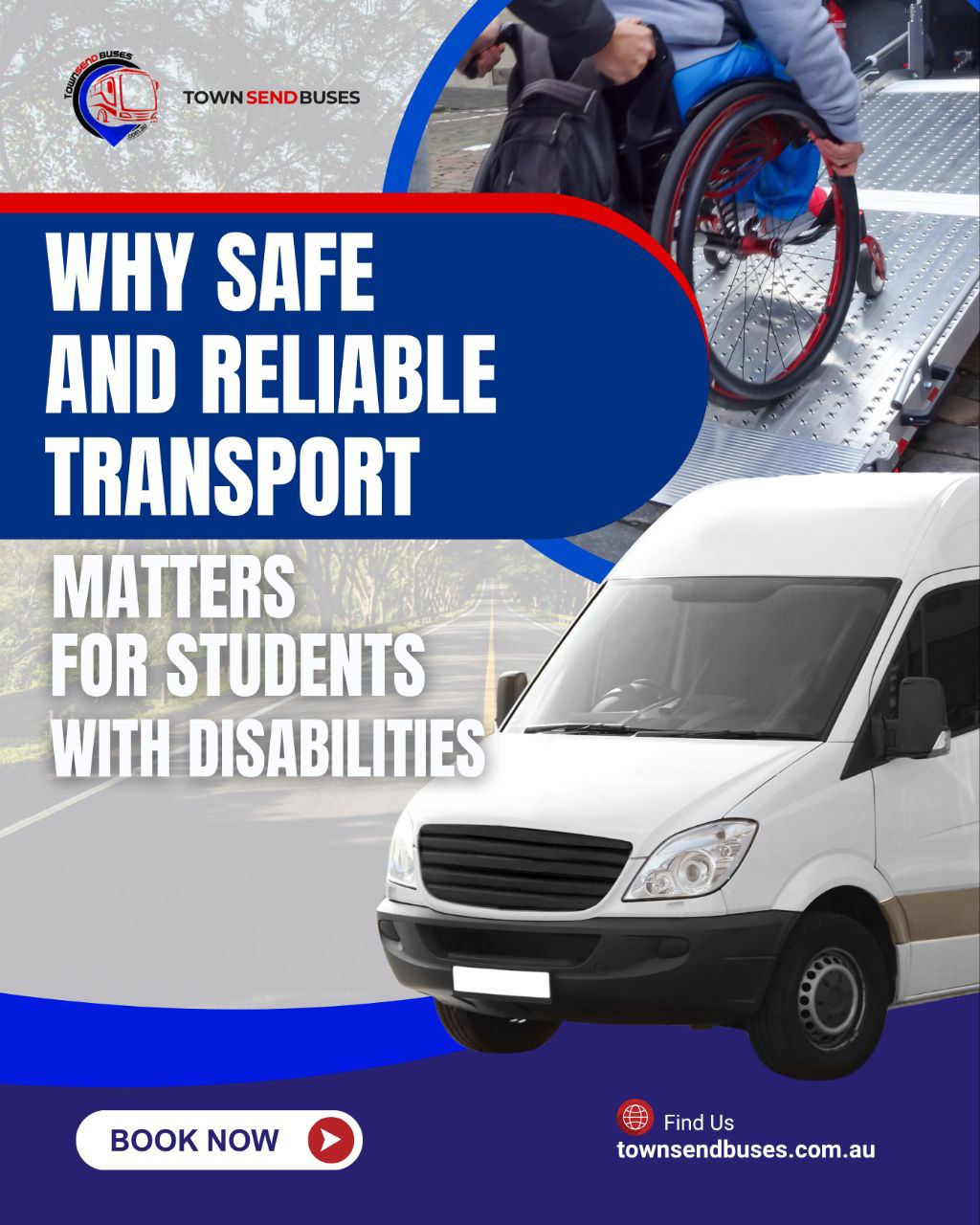
Safe Journeys: Why Accessible Transport Solutions Matter for Students with Disabilities 🚍✨

Hey there! 🚍✨ Let’s dive into a topic that’s super important for our community—accessible transport solutions for students with disabilities. We all want our young ones to feel safe and confident as they journey to school or college. Yet, without reliable transportation for disabled students, this can be quite a challenge. But fear not! With the right disability transport policies in place, we can transform these journeys into empowering experiences. So, let’s explore why the importance of safe transport can’t be overstated and how we can make every trip a success story! 🌟

Importance of Safe Transport

Safe transport is the cornerstone of an inclusive education system. Let’s explore why it’s crucial for students with disabilities and how it impacts their overall well-being and academic success.

Ensuring Student Safety

Safety is paramount when it comes to transport for students with disabilities. It’s not just about getting from point A to B; it’s about creating a secure environment that parents and students can trust.

Accessible transport solutions must prioritize safety features tailored to diverse needs. This includes properly secured wheelchair spaces, trained staff, and emergency protocols.

Regular safety audits and maintenance checks are essential to prevent accidents and ensure all equipment is functioning correctly. These measures build confidence among students and their families.

Promoting Independence and Confidence

Reliable transportation for disabled students is more than a convenience—it’s a pathway to independence. When students can travel safely, they develop crucial life skills and boost their self-esteem.

Accessible transport allows students to participate fully in school activities, fostering a sense of belonging and social inclusion. This independence translates into increased confidence in other areas of life.

By mastering the journey to school, students with disabilities take a significant step towards self-reliance, preparing them for future challenges and opportunities.

Accessible Transport Solutions

Accessible transport is evolving rapidly, with new technologies and policies reshaping how we approach mobility for students with disabilities. Let’s dive into the latest innovations and strategies making a difference.

Innovations in Transport

The landscape of accessible transport is being transformed by cutting-edge technologies and creative solutions. These innovations are making journeys smoother and more inclusive for students with disabilities.

Smart mobility apps are revolutionizing how students plan and navigate their trips. These apps provide real-time updates, accessible route planning, and communication with drivers.

Adaptive vehicles equipped with state-of-the-art features like low-floor entry, voice announcements, and flexible seating arrangements are becoming more common. These enhancements cater to a wide range of mobility needs.

AI-powered scheduling systems are optimizing routes and reducing wait times, making transportation more efficient and reliable for all students.

Implementing Effective Policies

Effective disability transport policies are the backbone of accessible education. They ensure that the right to education is supported by the right to mobility.

Key policy components include:

  • Mandatory accessibility training for drivers and staff

  • Regular consultation with disability advocacy groups

  • Clear communication channels between schools, families, and transport providers

  • Flexible transport options to accommodate diverse needs

Successful implementation requires collaboration between educational institutions, local authorities, and transport providers. This partnership approach ensures that policies are practical, comprehensive, and responsive to student needs.

Reliable Transportation for Disabled Students

Reliability in transportation is crucial for students with disabilities. It’s about creating a system that students and families can depend on day in and day out. Let’s explore how to achieve this consistency and build trust.

Overcoming Common Challenges

Reliable transportation for disabled students often faces hurdles, but with the right approach, these can be overcome. Let’s tackle some common challenges head-on.

Inconsistent schedules can be addressed through advanced routing software and real-time tracking systems. This technology helps maintain punctuality and allows for quick adjustments when needed.

Accessibility gaps in certain areas can be bridged by implementing a mix of transport options, including specialized vehicles and partnerships with accessible taxi services.

Communication breakdowns between schools, families, and transport providers can be resolved through integrated communication platforms, ensuring everyone stays informed and aligned.

Building Trust with Families

Trust is the foundation of any successful transport system for students with disabilities. It’s built through consistent performance, open communication, and a genuine commitment to student well-being.

Regular feedback sessions with families help address concerns promptly and demonstrate a willingness to improve. This ongoing dialogue creates a sense of partnership and shared responsibility.

Transparency about policies, safety measures, and driver qualifications reassures parents and guardians. When families understand the systems in place, they’re more likely to feel confident in the service.

Celebrating success stories and sharing positive experiences can reinforce trust and highlight the impact of reliable transportation on students’ lives.

Disability Student Journey

By Blogs

Planning the School Journey for a Student with Disability

A school transport plan should cover more than the time the bus arrives. It should bring together the student’s access and communication needs, the outward and return journey, and the responsibilities of the people involved. Townsend Buses is a Queensland family business providing school and accessible transport.

Map Out the School Day

Consider the morning collection, arrival at school, any separate daytime trip and the journey home. Each may need different timing or handover arrangements.

Morning Collection

Confirm the collection point, expected time and person responsible for meeting the vehicle. Ask how an absence or a delay should be reported.

Discuss the student’s boarding, seating and communication requirements before the first journey. Confirm what the allocated vehicle and staff can provide.

Daytime Trips and Excursions

A school excursion may involve a different destination, timetable or group size from the regular journey. Check availability and suitability separately.

If the trip is longer, discuss breaks, access at the destination and any additional support required. Do not assume that onboard toilets or live tracking are available.

The Return Journey

Confirm who will meet the student at the agreed drop-off point and what should happen if that person is delayed or unavailable.

Changes for after-school activities need direct confirmation. Keep the family, school and operator working from the same current arrangement.

Check the Proposed Vehicle

A general accessible-transport description does not confirm the layout or equipment of the bus allocated to a journey.

Boarding, Space and Communication

Provide details of relevant mobility aids and other equipment that will travel with the student. Ask the operator to confirm compatibility, available space and assistance.

Discuss communication and sensory preferences. If specialist signage, lighting or another feature is essential, obtain confirmation for the proposed vehicle.

Agree on Passenger-Specific Arrangements

Ask the operator about the seating, securement and assistance arrangements relevant to the student. These need to be appropriate for the person, their equipment and the vehicle.

Any equipment use must follow the applicable instructions and agreed responsibilities. This article does not provide a securement method or emergency procedure.

Clarify Staff and Support Roles

Ask who will assist the student at each stage and what preparation is relevant to their needs. Confirm whether an accompanying carer or support person is required and can travel.

Discuss how necessary information will be shared with the people involved, and how a change in staff or vehicle will be communicated.

Keep the Student Involved

Where appropriate, include the student’s preferences and feedback in the planning conversation. A clear routine should reflect the person travelling.

Support Familiarity With the Routine

Ask how the student can be given clear information about collection, arrival and changes to the journey. Choose a communication method that suits them.

If more preparation is needed, discuss what can be arranged before travel rather than assuming that a particular programme is available.

Respect Different Preferences

Some students may enjoy conversation during travel; others may prefer quiet. Share relevant preferences with the operator and confirm what the proposed service can accommodate.

Do not assume that onboard activities, headphones or other sensory equipment are supplied.

Review the Arrangement

Review the transport plan when the school, timetable, mobility aid or support requirements change. Ask the student and the people responsible for handover whether any details need clarification.

For Townsend Buses enquiries, call (07) 3094 1301. Service availability, vehicle suitability, equipment and staffing must be confirmed for each journey.

Inclusive Education Transport

By Blogs

Inclusive Education Transport: Planning with the Student

A school transport plan should reflect the student’s practical requirements and preferences. Families, schools and operators can use a shared set of questions to work out what is possible.

Connecting Transport and Participation

Begin with the school day or activity the student wants to attend. Record the required arrival time, finish time and access arrangements.

Listening to Individual Preferences

Ask the student how they prefer to receive information and what matters to them about the journey. Avoid assuming a single routine or level of independence will suit everyone.

Looking Beyond the Vehicle

Check the collection point, school entrance and handover as well as the bus. Identify who is responsible for support at each stage.

Discussing Townsend Buses

Townsend Buses is a Queensland family business providing school and accessible transport. Confirm whether the actual route, dates, vehicle and staffing can meet the student’s requirements.

Matching Vehicle Features to Needs

Explain mobility equipment, seating and any sensory considerations. Ask about the allocated vehicle; lifts, wide aisles, low-noise interiors and adjustable lighting should not be assumed.

Confirming Support Roles

Clarify the responsibilities of the driver, any attendant, school staff and accompanying person. Ask about the relevant training and arrangements before agreeing to travel.

Building a Clear Routine

Record the planned times, contact people and process for changes. Ask how the student and family will be informed if the vehicle or timing changes.

Reviewing How the Journey Works

Give the school and operator specific feedback about the date and journey if something needs attention. Discuss adjustments rather than assuming transport will produce a particular educational or social outcome.

Supporting the Student’s Choices

Review expectations with the student and their relevant support people. Decisions about assistance or independence should reflect individual needs. For a Townsend Buses enquiry, call (07) 3094 1301 to discuss availability and suitability for your journey.

Disability Friendly Buses

By Blogs

Features That Make Our Buses Disability-Friendly for Australian Students 🚌✨

Transporting students safely and comfortably is a top priority, and Australia is leading the way with disability-friendly buses! 🚍✨ These innovative vehicles are making accessible transportation for students a reality, offering inclusive bus features that cater to all needs. From ramps and lifts to spacious seating and advanced safety measures, these buses are transforming the landscape of Australian school transport. Whether you’re an educator, a parent, or a transportation service provider, understanding these student transport solutions is key to ensuring every child has a smooth ride to school. Let’s dive into the exciting world of buses for students with disabilities and see how they’re making a difference! 🎉

Inclusive Bus Features You’ll Love

Let’s explore the exciting features that make disability-friendly buses a game-changer for Australian students. These innovative designs are revolutionizing accessible transportation for students across the country.

Modern Ramp Systems

Modern ramp systems are the cornerstone of accessible school transport. These innovative designs ensure that students with mobility challenges can board and exit buses with ease and dignity.

Hydraulic ramps are a popular choice, offering smooth and quiet operation. They extend from the bus floor to ground level, creating a gentle slope that’s easy to navigate.

Some buses feature low-floor designs that work in tandem with kneeling suspension systems. This combination reduces the height difference between the bus floor and the curb, making boarding even simpler.

For maximum flexibility, many buses now incorporate both ramps and lifts. This dual system ensures that students with various mobility aids, from wheelchairs to walkers, can access the bus comfortably.

Spacious Interiors for Comfort

Disability-friendly buses prioritize spacious interiors to accommodate students with various needs. These thoughtfully designed spaces enhance comfort and accessibility for all passengers.

Wide aisles are a key feature, allowing easy movement for students using mobility aids. This extra space also benefits those who may need assistance from support staff during the journey.

Flexible seating arrangements are another hallmark of these buses. Removable seats allow for customization based on the day’s passenger needs, ensuring everyone has a comfortable spot.

Many buses now include dedicated spaces for wheelchair users, complete with secure locking mechanisms. These areas are strategically placed for easy access and maximum visibility.

Storage compartments are also carefully designed to be within reach of all students. This thoughtful touch promotes independence and makes the journey more enjoyable for everyone.

Enhanced Safety Measures

Safety is paramount in student transport, and disability-friendly buses incorporate advanced features to protect all passengers. These measures provide peace of mind for students, parents, and educators alike.

State-of-the-art restraint systems are a crucial component. These include adjustable seat belts and wheelchair tie-downs that secure passengers during the journey, reducing the risk of injury in case of sudden stops or turns.

Many buses are equipped with advanced communication tools, allowing drivers to stay in constant contact with school administrators and emergency services if needed.

Enhanced visibility features, such as large windows and well-placed mirrors, help drivers maintain awareness of all passengers. Some buses even include internal cameras for additional monitoring and security.

Slip-resistant flooring and strategically placed handrails further contribute to passenger safety, ensuring stable movement within the bus for all students.

Accessible School Transport Solutions

Australian schools are embracing comprehensive solutions to make student transport more inclusive. These approaches go beyond just the buses themselves, creating a holistic system that supports all students.

Customized Seating Arrangements

Customized seating arrangements are a crucial aspect of accessible school transport. These tailored solutions ensure that every student, regardless of their mobility needs, has a comfortable and safe journey.

Modular seating systems allow for quick reconfiguration based on daily requirements. This flexibility means the bus can adapt to changing student needs throughout the school year.

Some buses feature seats with adjustable heights and positions. This customization is particularly beneficial for students who may need extra leg room or specific positioning for medical reasons.

For students who use wheelchairs, specialized securement systems are available. These systems lock wheelchairs in place, providing stability and safety during transit.

Companion seating arrangements are also common, allowing support staff or buddies to sit next to students who may need assistance during the journey.

Advanced Communication Tools

Modern disability-friendly buses are equipped with cutting-edge communication tools that enhance the travel experience for all students, particularly those with sensory or cognitive disabilities.

Visual display systems provide real-time information about the journey, including upcoming stops and estimated arrival times. These displays often use large, high-contrast text and simple graphics for easy comprehension.

Audio announcement systems complement the visual displays, ensuring that information is accessible to students with visual impairments. Many buses now feature induction loop systems for students with hearing aids.

Some buses are equipped with tablet devices that allow non-verbal students to communicate their needs to the driver or support staff. These devices often use simple, intuitive interfaces with picture-based communication systems.

Emergency communication buttons are strategically placed throughout the bus, allowing students to quickly alert the driver if they need assistance.

Efficient Route Planning

Efficient route planning is a critical component of accessible school transport, ensuring that students with disabilities have the shortest and most comfortable journey possible.

Advanced GPS systems and route optimization software help planners create the most efficient routes. These tools take into account the specific needs of each student, including pickup locations and any time constraints.

Many school districts now use dynamic routing systems that can adjust in real-time to traffic conditions or last-minute changes in student needs.

Collaboration between schools, transport providers, and families is key to successful route planning. Regular communication ensures that routes are continually refined and improved based on feedback and changing requirements.

Some innovative programs even offer on-demand services for students with unpredictable schedules or medical needs, providing maximum flexibility and support.

Transforming Student Transport Across Australia

The adoption of disability-friendly buses is having a profound impact on student transport across Australia. This transformation is creating more inclusive and supportive educational environments for all students.

Benefits for Students with Disabilities

The introduction of disability-friendly buses has brought numerous benefits to students with disabilities, significantly improving their educational experience and overall quality of life.

Increased independence is a key advantage. With accessible transport, students can travel to school without relying on specialized services or family members, fostering a sense of autonomy and self-confidence.

These buses also promote social inclusion. By traveling alongside their peers, students with disabilities have more opportunities for social interaction and friendship-building, crucial aspects of childhood development.

Improved attendance rates have been observed in schools using disability-friendly buses. The reliable and comfortable transport removes barriers that might have previously prevented regular school attendance.

For many students, these buses provide a stress-free start and end to the school day. The comfort and safety features ensure a calm journey, setting a positive tone for learning.

Positive Impact on School Communities

The introduction of disability-friendly buses has had a ripple effect, positively impacting entire school communities across Australia.

Increased awareness and understanding of disability issues have been observed among students, staff, and parents. This exposure fosters a more inclusive and empathetic school culture.

Schools report improved collaboration between educators, transport providers, and families. The process of implementing and maintaining these transport solutions has opened new channels of communication.

Many schools have seen an increase in enrollment of students with disabilities, as accessible transport makes their programs more attractive and feasible for a wider range of families.

The presence of disability-friendly buses often sparks broader conversations about accessibility, leading to improvements in other areas of school life, from classroom design to extracurricular activities.