Driver Training Guide

By 12/06/2025Blogs

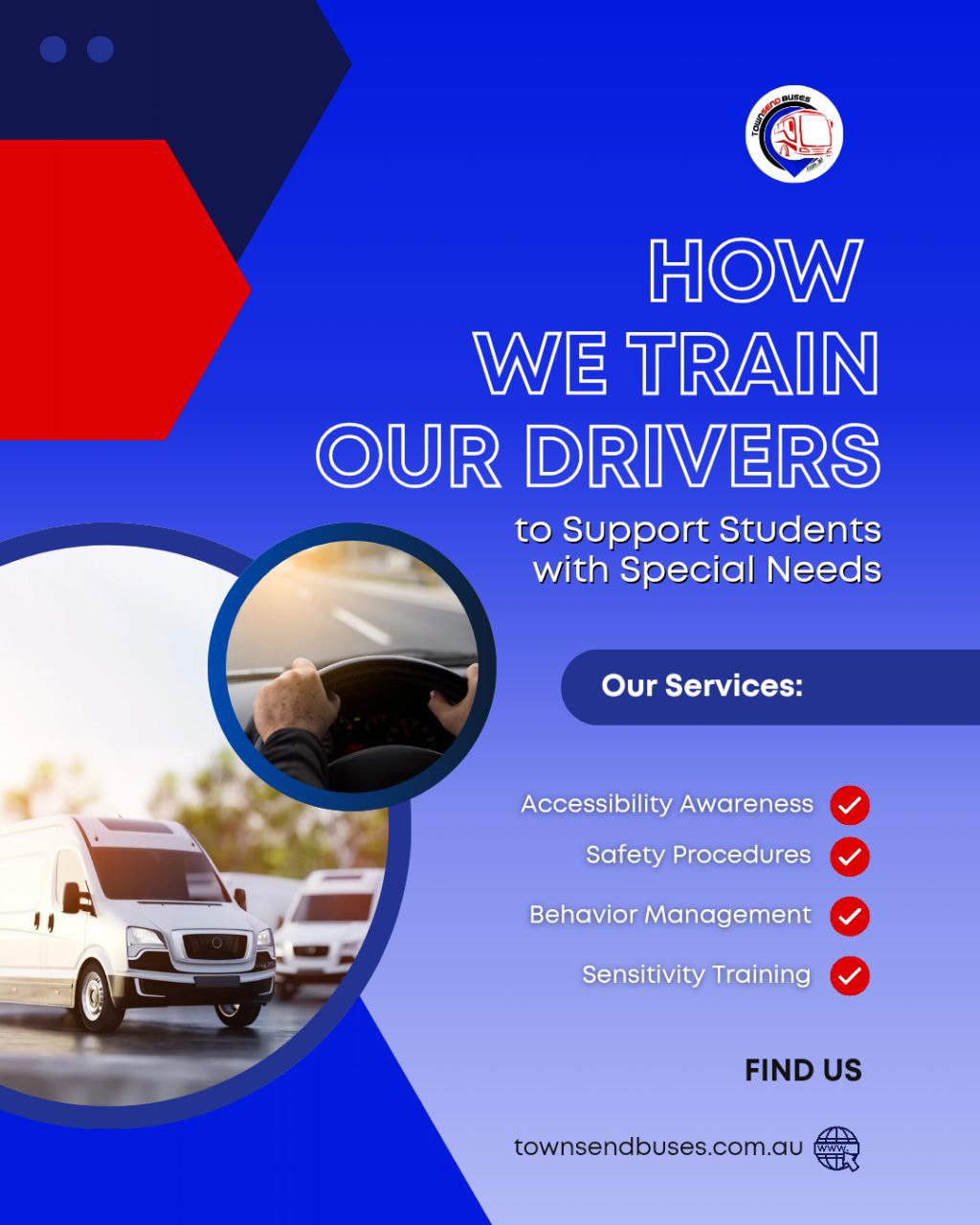
Behind the Wheel: How We Train Drivers to Support Special Needs Students! 🚐✨

Transporting students with disabilities is not just about getting from point A to point B—it’s about creating an inclusive and supportive environment on the road! 🚐✨ At the heart of this mission is driver training, specifically designed to equip our drivers with the skills needed to support special needs students effectively. From understanding unique behavioral cues to mastering communication techniques, training drivers for special needs is as rewarding as it is crucial. We’ll delve into the ins and outs of these inclusive driving practices, showing how they make transportation for special needs students a smoother, safer journey. Ready to hit the road with us? Let’s explore how we can make every ride a positive experience for everyone!

Comprehensive Driver Training Program

Our driver training program is the cornerstone of providing exceptional transportation for special needs students. It’s designed to equip drivers with the knowledge and skills necessary to ensure safe, comfortable, and inclusive journeys.

Understanding Student Needs

Understanding student needs is crucial for drivers supporting special needs students. This involves recognizing various disabilities and their impact on transportation requirements.

Drivers learn to identify different types of disabilities, including physical, cognitive, and sensory impairments. They’re trained to understand how these conditions affect a student’s mobility, communication, and behavior during transport.

The training emphasizes the importance of individualized approaches. Drivers learn to adapt their methods based on each student’s unique needs, ensuring a personalized and supportive experience.

Real-world scenarios are used to illustrate common challenges and effective solutions. This practical approach helps drivers develop problem-solving skills and confidence in handling diverse situations.

Specialized Equipment Handling

Proper handling of specialized equipment is essential for safe and comfortable transportation of students with disabilities. Drivers receive comprehensive training on various adaptive devices and mobility aids.

Key areas of focus include:

  1. Wheelchair securement techniques

  2. Operation of wheelchair lifts and ramps

  3. Proper use of safety harnesses and restraints

Drivers practice these skills in simulated environments, ensuring they can efficiently and safely manage equipment in real-world situations.

The training also covers equipment maintenance and pre-trip inspections. This ensures all adaptive devices are in optimal condition, minimizing the risk of malfunctions during transport.

Inclusive Driving Practices

Inclusive driving practices form the core of our approach to transporting special needs students. These practices ensure that every student feels valued, respected, and comfortable during their journey.

Building Empathy and Patience

Building empathy and patience is a fundamental aspect of training drivers for special needs transportation. It’s about fostering a deep understanding of students’ experiences and challenges.

Drivers participate in sensitivity training exercises that simulate various disabilities. This hands-on approach helps them gain perspective and develop genuine empathy for their passengers.

The training emphasizes the importance of patience in all interactions. Drivers learn techniques for remaining calm and supportive, even in challenging situations.

Real-world case studies are used to illustrate the positive impact of empathetic and patient approaches. These examples inspire drivers and reinforce the importance of their role.

Continuous feedback and reflection are encouraged, allowing drivers to refine their empathy skills over time.

Effective Communication Techniques

Effective communication is vital when working with special needs students. Drivers are trained in various techniques to ensure clear, respectful, and supportive communication.

Key communication strategies include:

  • Using simple, clear language

  • Employing visual aids when necessary

  • Practicing active listening

  • Recognizing and responding to non-verbal cues

Drivers learn to adapt their communication style based on individual student needs. This might involve using sign language, picture boards, or other alternative communication methods.

The training also covers de-escalation techniques for managing challenging behaviors. Drivers learn how to communicate calmly and effectively in high-stress situations.

Creating a Supportive Environment

Creating a supportive environment goes beyond just the physical aspects of the vehicle. It’s about fostering a positive, inclusive atmosphere that promotes student well-being and safety.

Collaborating with Educators

Collaboration between drivers and educators is crucial for providing comprehensive support to special needs students. This partnership ensures continuity of care from classroom to transportation.

Drivers are trained to:

  1. Understand and follow Individualized Education Programs (IEPs)

  2. Communicate effectively with teachers and support staff

  3. Participate in student support team meetings when appropriate

Regular information sharing between drivers and educators helps identify and address potential issues proactively. This collaborative approach enhances the overall transportation experience for students.

Drivers also learn how to provide valuable feedback to educators about students’ behavior and well-being during transport. This information can be crucial for overall student support planning.

Continuous Learning and Development

Continuous learning and development is essential in the ever-evolving field of special needs transportation. Our training program emphasizes ongoing education and skill enhancement.

Drivers participate in regular refresher courses to stay updated on best practices and new technologies. These sessions cover topics such as:

  • Updates in disability laws and regulations

  • New adaptive equipment and technologies

  • Advanced behavior management techniques

We encourage drivers to pursue additional certifications and specializations. This not only enhances their skills but also demonstrates our commitment to professional growth.

Peer learning is facilitated through driver support groups and mentorship programs. These initiatives allow experienced drivers to share their knowledge with newer team members.

Regular safety training is also a key component of our continuous learning approach, ensuring that all drivers maintain the highest standards of safety in special needs transportation.

andrewbuses71

Author andrewbuses71

More posts by andrewbuses71